Some of the most powerful cooking knowledge does not come from professional culinary schools or televised masterclasses. It arrives quietly, passed down from aunts, grandmothers and home cooks who have been quietly perfecting techniques across generations. Here are four of those hard-won kitchen hacks, each one capable of genuinely changing how you cook.
The turmeric and salt trick for non-stick frying
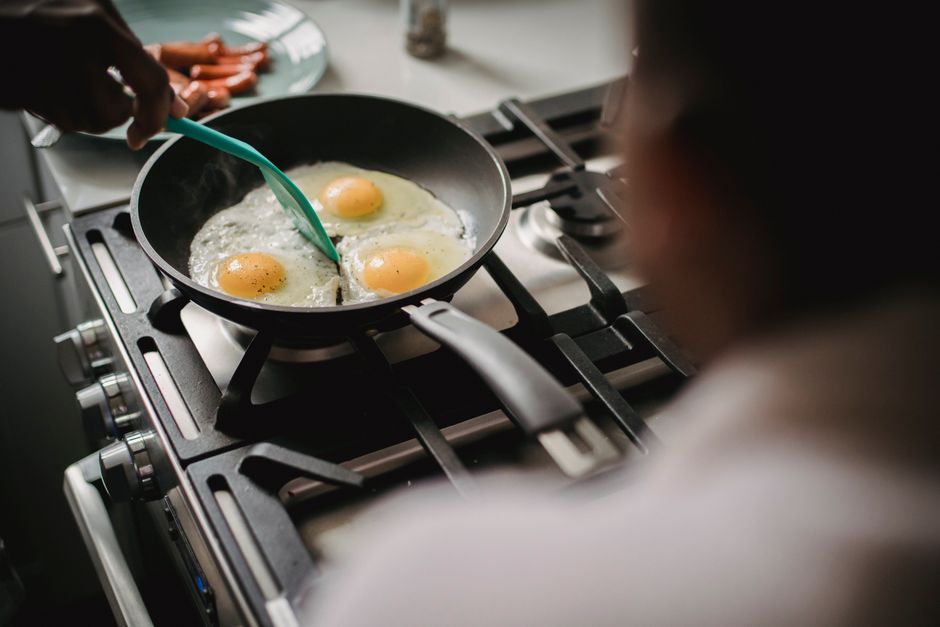
The first hack is the kind of tip that makes you wonder why nobody told you sooner. Before adding any food to a hot pan, drop in a pinch of salt and turmeric powder together into the oil. That simple combination creates a non-stick effect that works in stainless steel and cast iron cookware, with any produce, in shallow or deep frying situations.
The benefit is twofold. First, cooking in stainless steel or cast iron rather than a non-stick or Teflon-coated pan produces better heat tension, which translates to more nuanced flavour and, when desired, a proper char that non-stick surfaces simply cannot replicate. Second, the salt and turmeric add an almost imperceptible savoury boost without altering the core flavour profile of the dish.
It works for fried eggs, potatoes, frozen chips, paneer and tofu. One note worth flagging: the turmeric will lend a slight yellow tint to whatever you are cooking.
Perfecting a pavlova with dry bowls and a cardamom secret
For anyone who has ever watched a pavlova collapse or weep, this grandmother-approved technique addresses the most common culprit. Beyond uneven oven heat, the fastest way to ruin a pav is poor preparation before the beating begins.
The key is to whip egg whites and sugar in a completely dry stainless steel bowl, using only stainless steel utensils throughout. Any moisture in the bowl can undermine the structure of the meringue before it even reaches the oven.
The bonus hack: fold through just a quarter teaspoon of green cardamom powder as the very last step before baking. It dials back the sugar-sweet quality of the meringue and amplifies the gooey, rich interior. By this account, the technique has produced a perfect pavlova every Christmas for close to three decades.
How to char meat without a barbecue
This one comes from a Sicilian chef and it is a genuine revelation for steak lovers without outdoor cooking equipment. Instead of oil, coat your frying pan or griddle with salt alone. The salt dries, browns and crusts the protein in a way that closely mimics the char you would achieve on a barbecue grill.
It works particularly well with beef cuts and chicken thighs, and the technique translates beautifully to marinated lamb tenderloin as a pseudo souvlaki. No special cookware is required, and the salt holds up well under high-heat conditions. For anyone who has consistently ended up with stewed rather than seared meat on a stovetop, this method addresses exactly that problem.
Baking powder for fluffier tarts, quiches and omelettes
The final hack comes courtesy of a Mumbai home cook with a talent for savoury tarts. Adding a small amount of baking powder to a quiche, tart filling or omelette mixture produces a noticeably lighter, fluffier result once cooked.
The science mirrors what baking powder does in cakes and baked goods: it introduces lift. Applied to egg-based dishes, the effect is a texture that is airier and less dense, elevating what might otherwise be a straightforward weeknight dinner into something a little more considered.
Taken together, these four techniques share a common thread. They are low-cost, require no specialist equipment, and each one delivers a result that is genuinely difficult to achieve without knowing the trick. The lesson, perhaps, is to keep asking older relatives what they know while there is still time to find out.