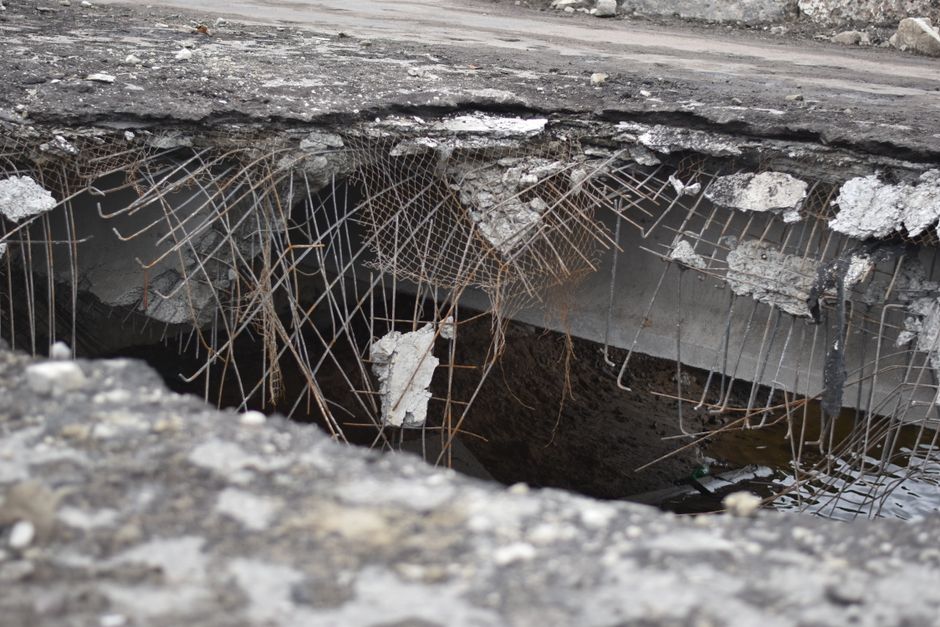
Three former VicRoads engineers have pointed squarely at privatisation and cost-cutting as the root causes of Victoria's deteriorating road network, as a fresh government audit confirms nearly half the state's roads are in poor or very poor condition. Their warnings come as the upcoming Victorian election shapes up as a referendum on the state's pothole crisis, with major parties rolling out roadworks promises to win over frustrated voters.
Almost Half of Victoria's Roads Rated Poor or Very Poor
A newly released report from the Victorian Auditor-General's Office found that around 48 per cent of state roads were in poor or very poor condition as of 2024 — figures that align with the flood of complaints from drivers about blown tyres and near-misses that have dominated talkback radio and newspaper letters pages in recent months.
The findings lend official weight to what many regional communities have long experienced firsthand. In south-west Victoria, potholes have become a defining feature of local travel, with areas like Timboon among those worst affected.
The Privatisation Turn — and What Was Lost
Former VicRoads road construction engineer Jeff Moran said the problem starts with the type of roads Victoria builds. He explained there are two basic pavement types: flexible pavement, made from compacted crushed rock and then sealed, and rigid pavement, which is bound together like concrete into one solid slab.
Flexible pavement is cheaper to lay but has a shorter lifespan. Rigid pavement costs more upfront but is far more durable — and is the standard choice in many countries overseas, Moran said. Victoria, however, opted predominantly for the crushed-rock approach.
That decision could have been managed, Moran argued, provided the flexible pavement received proper ongoing care — specifically, resealing every decade to keep water out, and regular condition patrols. But he said that discipline collapsed after the then-Liberal Kennett government privatised road construction and maintenance in the mid-to-late 1990s.
"The necessary ongoing maintenance was often neglected," he said, adding that Victoria's western highways in particular should now be rebuilt using full-depth rigid pavement rather than flexible crushed-rock surfaces.
Private Operators, Shrinking Budgets and Fewer Repairs
Gary Rusmand, who worked for VicRoads before relocating to Western Australia to work on regional roads there, said privatisation triggered a skills drain as experienced government workers moved across to private companies attracted by better pay.
But the profit motive in private enterprise ultimately meant less money went into the roads themselves. "The dollar wasn't going as far, so there was a reduction in repairs," Rusmand said. Government funding did not keep pace with rising costs, so the volume of repairs simply fell.
Rusmand pointed to Western Australia as a cautionary tale — and a potential model for reform. WA brought its road maintenance back in-house around four years ago after a long period of privatisation, and Rusmand said the improvement has been clear. "I can see the improvement in the road network over the last 10 years and significantly over the last four to five," he said.
Safety Rules Add Further Pressure on Costs
Retired VicRoads engineer John Lambert highlighted another factor driving up the cost of road maintenance: stricter workplace safety requirements. Where a two-person crew might once have handled a job, current safety standards can require six to twelve workers on site to manage traffic and other hazards — dramatically increasing the expense of every maintenance operation.
Lambert said any move to bring road maintenance back under government control would also require a decision about whether traffic management should return in-house at the same time, given how intertwined the two functions are.
With the Victorian election fast approaching and cost pressures weighing on public infrastructure budgets across the country, the debate over who builds and maintains Victoria's roads — and how — is set to intensify in the weeks ahead.