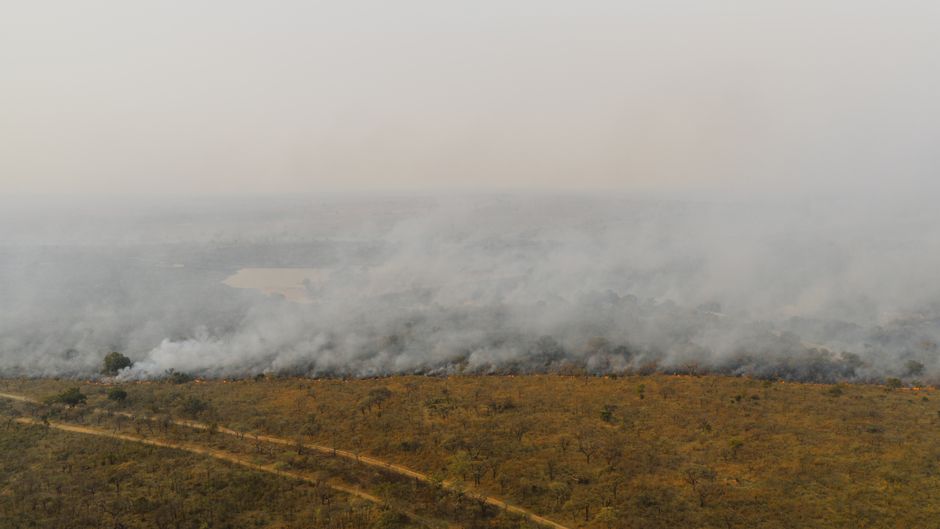
A devastating bushfire on Tasmania's Flinders Island has burned through more than 15,000 hectares, destroying or damaging at least six homes and forcing mass evacuations across the remote Bass Strait island, with conditions expected to worsen before any relief arrives. The lightning-sparked blaze, which now covers more than 10 per cent of the island's total land area, grew rapidly through Wednesday and into Thursday, becoming so large it is visible from space.
Rapidly Changing Conditions Drive Dangerous Fire Behaviour
The fire ignited following lightning strikes and spread aggressively on Wednesday as shifting winds drove intense fire activity across the island's north. By early Thursday morning, the blaze had grown to roughly 13,000 hectares, before continuing to expand to nearly 15,000 hectares as it broke through northern containment lines on Thursday night.
Tasmania Parks and Wildlife Service Incident Controller Chris Emms described the fire behaviour as extreme and unpredictable. "Conditions are changing rapidly, and the fire is making a significant run to the southwest," he said. "We have highly flammable fuels in the north of the island, and strengthening winds are increasing fire intensity."
Emms warned the conditions had made it unsafe for crews to conduct direct firefighting operations in certain areas, with firefighters instead concentrating on asset protection and supporting evacuations. "These conditions are making it unsafe for crews to undertake direct firefighting operations in some areas," he said.
A key concern for authorities was the fire crossing Palana Road between West End Road and Five Mile Jims Road. A separate active fire edge also remained east of Palana Road between Boat Harbour Road and North East River Road, adding to the complexity of containment efforts.
Evacuation Orders Issued Across Multiple Communities
Emergency authorities issued a series of escalating warnings across communities in the island's north. Residents of Leeka and Mount Tanner were told it was too late to leave and were advised to shelter in the strongest part of a building, follow emergency service advice, or move to the nearest beach away from vegetation.
At around 10am on Thursday, residents in Killiecrankie were also told it was too late to evacuate as the fire front moved towards homes in the Mount Killiecrankie Recreation Area. Emergency crews carried out door-knocking in the area where conditions allowed.
Leave Immediately alerts were issued for Mount Boyes, Carnacs Flat and Lughrata, while separate warnings advised residents in and around Lughrata to prepare to leave as conditions continued to deteriorate. Mount Tanner, Leeka, Carnacs Flat, Mount Boyes and Lughrata remained areas where it was not safe to return on Thursday morning.
Nine people were evacuated by police boat from West End Beach on Wednesday, along with a dog and a wombat. By Thursday, the total number of people evacuated had grown to around a dozen. An evacuation centre was established at the Furneaux Arts and Entertainment Centre on Patrick Street in Whitemark, catering for residents south of the affected zones.
Flinders Island Mayor Rachel Summers described the scene from Whitemark. "The sky is full of smoke, it's very dark," she said. "Up north where the fires are, it's looking significantly worse."
Homes Damaged and Power Outages Hit the Island
Tasmania Fire Service Deputy Regional Chief Steve Richardson confirmed on Thursday that at least six properties had been damaged or destroyed, though he cautioned the figure was likely to rise as crews had not yet been able to conduct detailed assessments under safe conditions. A further two or three buildings were believed to have been lost, with further inspections planned for Friday.
"We know that there have been up to six that have been damaged or destroyed but we haven't yet had the chance to send crews in under safe conditions to do a more detailed assessment," Richardson said.
Power outages also struck parts of the island, with emergency backup generators deployed to keep communications infrastructure operational. Full assessments of damaged power assets were to be conducted once conditions became safe enough for crews to access affected areas.
Smoke from the blaze was carried hundreds of kilometres south over mainland Tasmania, with residents on the island posting photographs of massive smoke plumes to social media.
Worse Conditions Expected Before Weekend Relief
Winds of up to 50 kilometres per hour were forecast for Friday, raising fears that the fire could again intensify and spread further. Some residents remained in their homes in the island's north, with Richardson noting a stark difference in preparedness levels among those who had chosen to shelter in place.
"Unfortunately, there are some who are not well prepared, and they are just hoping for the best and sheltering in place," he said.
Forecast weekend rain offered some hope of easing the crisis, though authorities warned the situation remained highly dynamic and urged all residents to continue monitoring emergency alerts and to follow official advice.
Flinders Island, home to around 900 to 1,000 residents, sits in Bass Strait between Tasmania and mainland Australia. The island is known for its fishing and agricultural industries, including high-quality exports of beef, lamb, wool and seafood. Emergency authorities stressed the fire continued to evolve and that conditions could change with little warning.