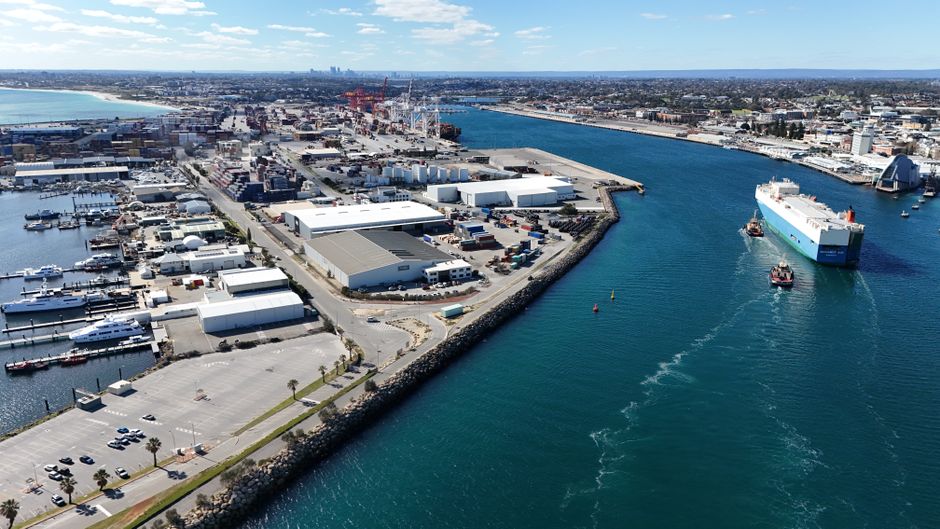
A state-of-the-art cargo vessel designed to harness wind power and slash fuel consumption has been officially named at Fremantle Port this week, as its Norwegian operator navigates the dual pressures of Middle East conflict and mounting global pressure to cut shipping emissions. Klaveness Combination Carriers (KCC) unveiled the MV Baltazar at a formal naming ceremony, with Western Australian Deputy Premier Rita Saffioti presiding as the ship's "Lady Sponsor" — an honorary role that comes with a permanent portrait of Saffioti displayed in the vessel's mess.
Wind Sails and Suction Technology: How MV Baltazar Works
The MV Baltazar is the first vessel in KCC's fleet to be fitted with a wind-assisted propulsion system, making it the centrepiece of the company's push toward cleaner, more cost-effective ocean freight. According to the company, the combination of suction sails and a suite of advanced energy efficiency measures gives the ship the lowest carbon footprint of any vessel operating in its trading routes between China and Australia.
KCC chief executive Engebret Dahm said the various efficiency technologies together are expected to deliver a meaningful reduction in fuel use. "If you add up all the different initiatives, you probably come up to between 12 and 13 per cent reduction, depending on how they impact each other," he said. He identified wind technology as among the most promising avenues, while acknowledging the maiden voyage would provide clearer data on real-world performance.
The vessel has also been built to accommodate future upgrades for zero or near-zero emission fuels. Dahm indicated the cost of the wind system, shaft generator and associated technology amounts to approximately $8 to $9 million, with the ambition of making the ship one of the most energy-efficient of its type in the world.
Strait of Hormuz Conflict Casts Shadow Over WA Shipping
The Fremantle launch comes at a particularly turbulent time for international shipping. With fuel prices already under pressure and the ongoing conflict in the Middle East disrupting key trade routes, KCC has felt the impact directly. One of the company's vessels was stranded in the Middle East Gulf from the beginning of the conflict in February, only managing a safe exit in late June.
Dahm said KCC is one of the largest shippers of alumina to the Middle East — a region that had been a major market for Western Australian exports. "Unfortunately, at the moment, it's not working as it should because we can't take the ships through the Strait of Hormuz," he said. The disruption has effectively cut off a significant trade corridor that the company relied upon for regular alumina deliveries from WA.
Deep Ties to Western Australian Ports and Industry
KCC's choice of Fremantle for the naming ceremony reflects the company's strong commercial relationships across the state. The shipping firm works with several major WA businesses including Alcoa, South32, Fenix Resources, Wesfarmers and CSBP, and also carries grain on behalf of CBH. Inbound cargo to WA ports at Bunbury, Kwinana, Fremantle and Geraldton includes caustic soda and fertiliser products, while outbound shipments cover iron ore, alumina and grain.
In a notable commercial arrangement, South32 and KCC have jointly developed a mechanism called the carbon adjustment factor, which ties the freight rate paid directly to the emissions performance of KCC vessels. If a ship's greenhouse gas emissions come in below an agreed baseline, KCC receives a higher freight rate; if emissions exceed the baseline, the rate is reduced. Dahm said this kind of arrangement reflects the growing emphasis major exporters are placing on decarbonising their supply chains.
What Comes Next for the MV Baltazar
With the ceremony complete, the MV Baltazar is now preparing for its maiden voyage, which Dahm said will be a critical test of how the wind-assisted technology and other efficiency systems perform under real operating conditions. The results are expected to help shape how KCC applies similar technologies across its broader fleet going forward, as the industry grapples with tightening emissions regulations and volatile energy costs.
For Western Australia's export sector — already watching closely as regional geopolitics reshape trade dynamics — the launch of a more fuel-efficient bulk carrier purpose-built for Australian routes represents a tangible step toward cleaner and more resilient supply chains.