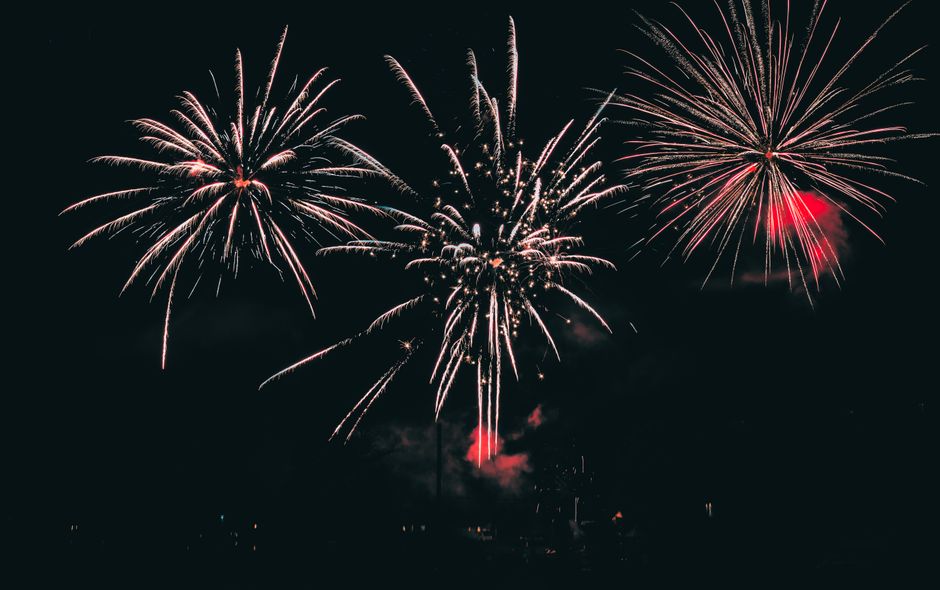
Every night during the Royal Queensland Show's 150th anniversary celebrations, crowds pack the stands and Machinery Hill at Brisbane's Ekka showgrounds, tired but expectant. What they don't see is the frantic race already underway: a fireworks crew working against the clock, the wind, and a safety checklist that includes flight radar, to deliver a precisely choreographed spectacle at exactly 7.45pm.
Months of Planning Behind Every Ekka Fireworks Display
For Skylighter Fireworks manager Nick Kozij and designer Harrison Smith, preparation for Ekka 2026 began as far back as March — ideas sketched on napkins, inspiration shared via screenshots and videos, and a soundtrack and creative concept gradually assembled to honour the show's milestone anniversary.
Smith's connection to fireworks runs deep. He grew up attending agricultural shows and joined a fireworks company at 18, working the display at his own local show. Sixteen years on, he is now the one designing the spectaculars. Kozij's route was less obvious: a background in events and festival production led him to organise a fireworks surprise for his own wedding, where he met the company's owner. "It sort of just fell into it from there," he said.
Kozij had hoped the role would bring more manageable hours after his wife fell pregnant. That plan didn't survive contact with reality. "I was supposed to be in the office 40 hours a week and I don't think I've ever done a 40-hour week at this place ever because it's all after hours," he said. His mother, he added, has always called him "a showman, a bit of a clown" who lives to entertain — perhaps making his career path inevitable after all.
The Unique Challenge of a 360-Degree Arena
What sets the Ekka fireworks apart from a conventional display is the showgrounds' layout: the arena is a full 360-degree firing zone, with spectators surrounding it on all sides. That means every single effect must be precisely measured and contained within the showground's boundaries — there is no direction in which a misfired shell can safely travel.
"The big challenge, yeah, it's the round arena. Everyone's all around," Kozij said. "I designed the show to make sure that everyone gets a good show ... but also it all stays well within the confines of the arena."
Among the show's most photographed moments is a sequence involving 10 kites towed into darkness behind a quad bike before suddenly bursting into light and action — a signature set piece that takes weeks of rehearsal to perfect.
For more on what happens behind the scenes at Ekka, take a look inside the hidden rooftop village where cattle families live during the show.
Wind, Rain and Flight Paths: The Safety Checks Nobody Sees
On any given Ekka night, the crew monitors wind speed, sudden gusts, rainfall and lightning before a single fuse is lit. The Royal Brisbane and Women's Hospital helipad sits just 250 metres away, so flight radar is also part of the routine pre-show safety check.
Brisbane's famously brisk "Ekka winds" — the chilly westerlies that arrive with the show each year — present a particular hazard, capable of shifting direction without warning. Heavy rain can render the dirt track too slippery for the motorbikes and quad bikes integral to the performance. If conditions rule out any one element, the crew can strip it from the running order while keeping the fireworks display itself on track.
All of it — the logistics, the safety protocols, the creative vision — converges in a 40-minute window as the crew transforms the arena each evening. Months of planning, and no room for error.