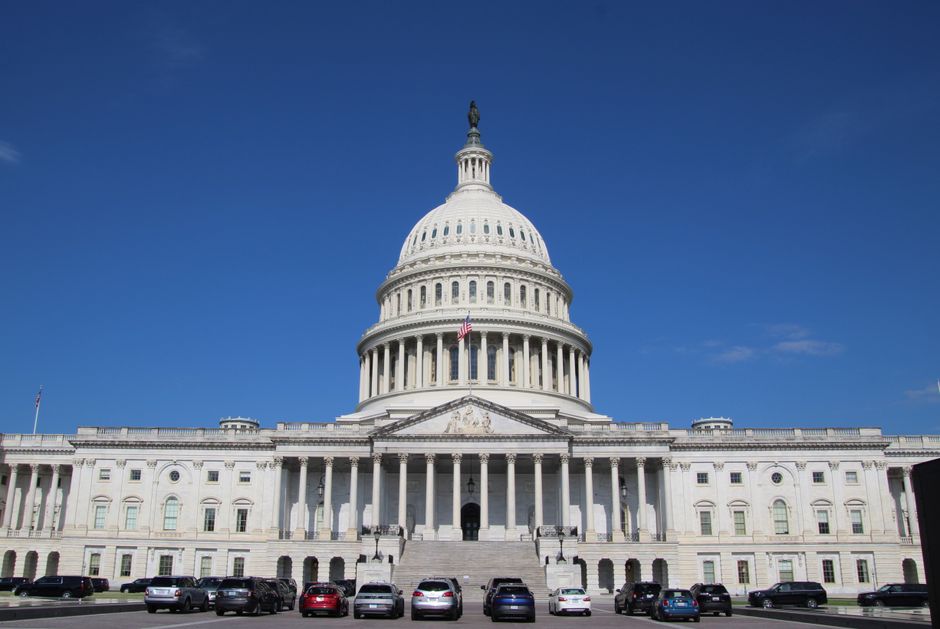
The Democratic Party has swept both chambers of the United States Congress in the midterm elections, handing Republicans a historic defeat widely seen as a repudiation of President Donald Trump's agenda. From January, Democrats will hold majorities in both the House of Representatives and the Senate, reshaping the balance of power in Washington and raising urgent questions about what the shift means for countries around the world, including Australia.
A Rebuke of Trump and What Democrats Can Actually Do
Republicans lost ground across the board in the midterms, with the results interpreted broadly as voter frustration over the direction of the Trump administration. Among the most damaging issues was an ongoing military conflict with Iran, which Trump's team has consistently refused to call a war, preferring the term "military operation." The conflict has driven up fuel prices and worsened cost-of-living pressures both inside the United States and internationally.
Beyond the Iran situation, Trump's second term has been marked by sweeping immigration crackdowns, broad tariffs on trading partners and a significant reduction in US military assistance to Ukraine in its ongoing war with Russia. Democrats now have the congressional tools to push back on many of these policies.
Congress controls federal government spending and legislation, giving Democrats real leverage. They can block proposed laws, refuse funding and launch formal investigations into the administration's actions. However, the presidency still holds broad authority over foreign policy, meaning the new Democratic majority faces a complicated path when it comes to some of the most pressing global concerns. For more on how Trump's unpredictability has rattled international economies heading into this political shift, see our related coverage on Trump's unpredictability and the Democrats' midterm sweep.
The Iran Conflict: Can Congress Force an End?
It has been more than eight months since the United States and Israel launched joint strikes on Iran, triggering a conflict that remains unresolved. The economic fallout has been severe and far-reaching. Even Vice President JD Vance acknowledged the damage in a social media post after the Republican defeat became clear, writing: "The reason we lost is the war."
Senate Democratic leader Chuck Schumer has vowed to act, suggesting Congress could block funding for the Pentagon as a means of forcing an end to the conflict. "The Founding Fathers had the power of the purse as one of the ways of deterring a president who does war without the consent of the American people," Schumer told reporters.
But experts caution that this will not be straightforward. Because the Trump administration does not formally classify the Iran conflict as a war, Democrats face a legal and political grey area when attempting to invoke congressional war powers. David Smith, an associate professor at the United States Studies Centre, noted that withholding military funding or threatening a government shutdown over the issue may ultimately be the Democrats' most effective tool. "Everyone will be waiting to see" whether they can actually bring the conflict to a close, he said.
What the Shift Means for Australia and Global Alliances
For countries like Australia, the Democratic takeover of Congress sends an important signal, even if its practical effects will take time to materialise. Jessica Genauer, an associate professor in international relations at the University of New South Wales, said the world will notice a difference but should not expect sweeping change before the 2028 presidential election.
"There's a signalling that the US may come back to be a security ally and a key partner of countries around the world," Genauer said. "Probably never in the same way that it was, but we're not going to see this particular period continue for too long."
On Ukraine, the reduced US military aid has been a source of significant concern among European allies and Kyiv. Democrats have been critical of that policy, though again their ability to reverse it through Congress alone is limited by presidential authority over foreign affairs.
The broader takeaway for the world is one of cautious recalibration. Democratic control of Congress marks a meaningful check on Trump's power for the remainder of his term, but the presidency retains enormous influence over how the United States engages with the rest of the world. Allies and adversaries alike will be watching closely to see how that tension plays out in the months ahead.