A woman's final day of holiday cycling turned life-threatening after she accidentally rode over an eastern brown snake on a popular NSW rail trail, sending the highly venomous reptile spiralling into her bicycle chain — and landing her in hospital.
Emergency services and a snake catcher were called to the Northern Rivers Rail Trail at Burringbar, roughly 30 minutes north-west of Byron Bay, on Wednesday after the incident. The woman was transported by ambulance and treated for a suspected bite from one of Australia's most dangerous snakes.
What happened on the Northern Rivers Rail Trail
The cyclist was completing her last ride before heading home from holidays when her wheel struck the eastern brown, causing it to become wedged and entangled in her bike chain. Snake catcher Sarah Mailey from I'll Catch It Snake Relocations was among those who responded to the scene, where NSW Police and members of the public also assisted.
With the snake still alive and entwined in the bicycle, Mailey first restrained the animal's head before others helped dismantle parts of the bike to free it. "I've got him. I'm not going to let him go," she told bystanders during the careful extraction, footage of which was later shared online.
The injured snake was then rushed to the nearest wildlife hospital, approximately 30 minutes away, but could not be saved. "Unfortunately the injuries were mid-body where all the vital organs are," Mailey said.
Woman discharged after overnight monitoring
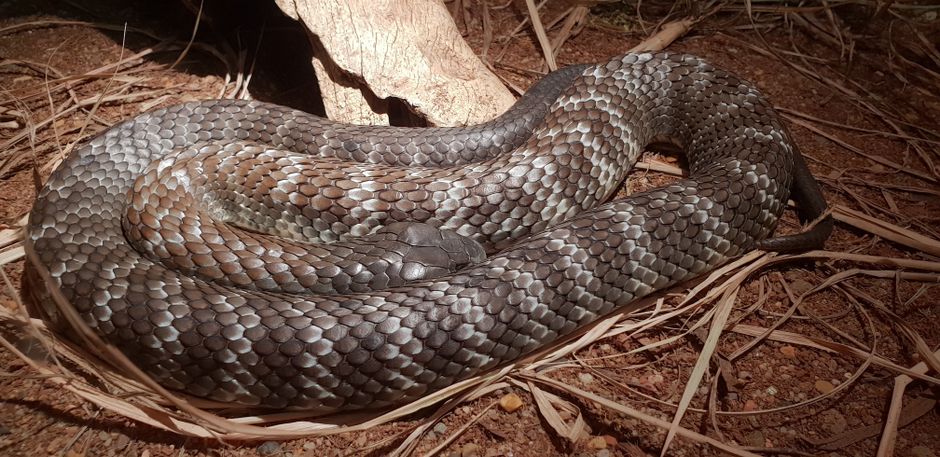
Initially, there were serious concerns that the bite could prove fatal. The eastern brown is considered Australia's second-most venomous land snake, carrying venom that attacks the nervous system and interferes with blood clotting — effects that can be delayed by hours after a bite occurs.
Doctors kept the woman under close observation overnight. By Wednesday evening, Mailey indicated it was believed to be a dry bite — one in which no venom is injected — but stressed the patient was "not out of the woods just yet."
Reassuring news came Thursday morning when the woman was discharged after doctors confirmed the dry bite diagnosis. "She got discharged this morning and her husband picked her up," Mailey said. She also noted that a kind member of the public had returned the bicycles to the family.
Why the snake may not have moved in time
Mailey offered an explanation for why the snake failed to get clear of the oncoming bicycle. She believes the animal's impaired vision played a role, having found it was blind in one eye.
"Snakes have poor vision, but they notice movement and vibrations. That one could only rely on vibrations, so I think it didn't move out of the way in time," she said.
While collisions between cyclists and snakes have occurred before, Mailey said she had never previously encountered one becoming ensnared in a bicycle chain. "Those incidents have happened before many times, but this one was a first for me," she said, adding that wildlife rescue routinely presents unexpected challenges.
Snake bite first aid: what to do
In the wake of the incident, I'll Catch It Snake Relocations issued a public reminder about snake bite first aid, noting that bites are often painless and that symptoms can be significantly delayed. The advice urges anyone who has been bitten — or who suspects they may have been bitten — to call Triple-0 immediately, apply a pressure bandage, and immobilise the affected limb. Early action is critical, as the eastern brown's venom can prove fatal without prompt medical treatment.
The Northern Rivers Rail Trail is a popular recreational route in the region, and the incident serves as a timely reminder for trail users to remain alert, particularly during warmer months when snake activity increases.