Coogee shark attack survivor Leah Stewart has opened up about a major turning point in her mental health recovery, revealing that a specialised trauma therapy has stopped the relentless nightmares and flashbacks that plagued her in the months following the June attack at Sydney's Coogee Beach.
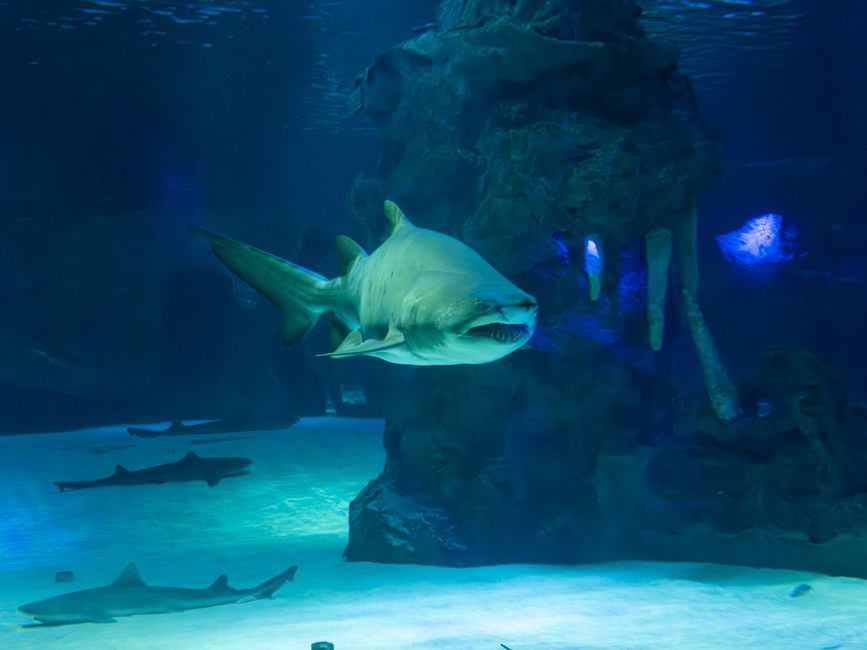
Stewart, 34, was critically injured when a four-metre great white shark mauled her as she swam between the flags close to shore. The attack cost the school teacher and mother her arm, left her in a coma for ten days, and triggered months of severe psychological distress. Now, more than five months on, she says a breakthrough in her treatment has been genuinely life-changing.
Months of Relentless Fear and Sleepless Nights
Speaking to her Instagram followers on November 5, Stewart described in raw terms just how consuming the trauma had been. The attack replayed in her mind on a continuous loop, twenty-four hours a day, for months.
"When I used to recall the event I would have an eight out of ten fear response and it would feel like I was back in the water," she said. "Constantly, the shark attack was replaying in my head on a loop, 24 hours a day for months on end. I couldn't sleep at night, I was having nightmares and I was waking up in sweats every single day."
The update comes roughly two months after Stewart disclosed a significant setback in her physical recovery, when a second skin graft operation proved unsuccessful, adding further strain to what has been an extraordinarily difficult road back.
Eye Movement Therapy Delivers a Turning Point
The development Stewart describes as life-changing is a treatment known as Eye Movement Desensitisation and Reprocessing, or EMDR. The therapy is used to help people process and reframe traumatic memories, and Stewart explained how it works in simple terms for her followers.
"Basically my therapist has something that moves side to side and I follow it with my eyes as I recall the event," she said.
The results, she says, have been profound. Where the memory of the attack once triggered an overwhelming physical fear response, she can now think back on that day with a sense of distance.
"I can recall it but my body doesn't feel it like I felt when I was in the water and it has been life-changing for me," she said. "I feel like I'm finally getting my life back."
Returning to Presence With Her Daughter and Her Life
For Stewart, the most meaningful sign of progress is not the absence of nightmares alone, but the ability to be present in everyday life. She spoke of being able to hold conversations with friends and, crucially, to play with her young daughter August without the constant intrusion of traumatic imagery.
"I can spend time with August and be present playing with her and I don't always have the image of a shark approaching me with its mouth open," she said.
Stewart previously spoke about fighting off the shark, describing punching the animal before lifesaver Charlie Verco came to her rescue and pulled her to safety. She was rushed to hospital with severe injuries to her legs and arms, and spent ten days in a coma. Sand and debris from the attack posed an extreme additional risk of infection during her initial treatment.
In recent months, Stewart also made an emotional return to Coogee Beach, confronting the location of the attack as part of her broader healing process. She has spoken candidly about how difficult it was to even dip her feet in the water after what she endured.
"As I heal I'm starting to live without the fear that absolutely controlled me and come back to what I love with a deeper appreciation of the little and big things," she said.