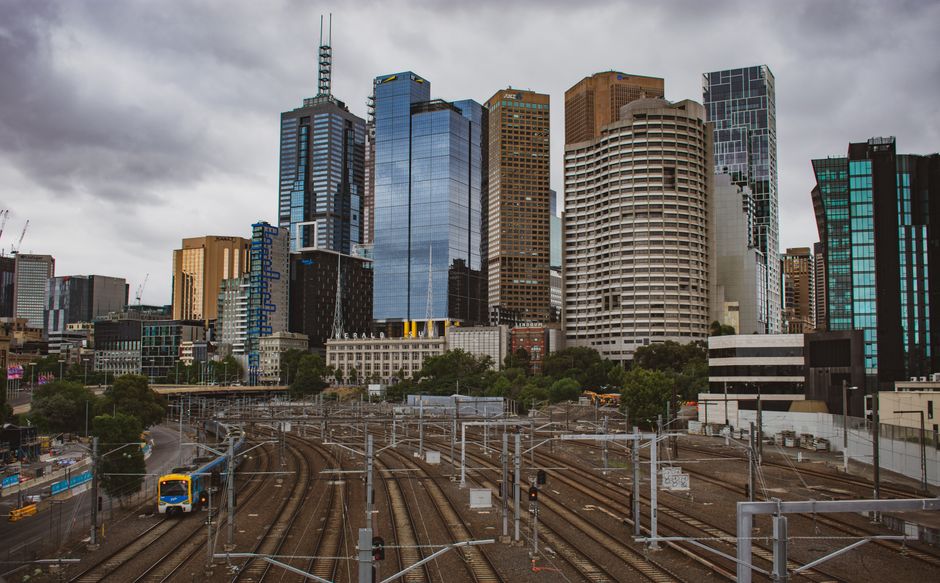
Victoria's Opposition will on Tuesday unveil a $1.7 billion public transport plan to deliver a fleet of 25 hybrid trains to Melbourne's fast-growing western suburbs, promising metro-quality rail services to Melton and Wyndham Vale commuters well ahead of Labor's repeatedly delayed electrification timetable.
Opposition Leader Jess Wilson will announce the policy, which centres on so-called bi-mode trains — vehicles that draw power from overhead electric lines on suburban tracks and switch to diesel or battery power on country rail corridors. Similar rolling stock has been operating in New South Wales and South Australia, and has been in use across Europe for more than a decade.
What the Coalition is promising
Under the plan, the 25 new bi-mode trains would be delivered within a single term of parliament, allowing the Melton and Wyndham Vale lines to integrate with Melbourne's suburban rail network after the Sunshine junction — running services through either the City Loop or the Metro Tunnel.
Opposition public transport spokesman Matthew Guy said the capacity difference between the current diesel V/Line trains and suburban carriages was stark. A six-car VLocity train reaches crush capacity at around 444 passengers, while a comparable six-car suburban train can carry up to 1,300 people — nearly three times as many.
Wilson said the Coalition would still commit to eventually electrifying the two lines but argued the hybrid train solution would deliver relief far sooner to commuters currently being left stranded on overcrowded platforms.
"Labor has twice promised and twice failed to deliver the modern train services communities across Melton and Wyndham Vale deserve," Wilson said. "Our plan will deliver metro-quality train services to Melbourne's west sooner — meaning more trains, more seats and greater capacity."
Labor's electrification delays — and the crush conditions already unfolding
Labor pledged to electrify the Melton and Wyndham Vale lines at both the 2018 and 2022 state elections, but the program has since been pushed back. Completion is now tied to a major station redevelopment at Sunshine — a $4 billion project designed to separate suburban, country and freight services at the busy junction — which is not expected to be finished until 2030. The Carroll government did open an upgraded Melton Station on Tuesday.
The delays have come at a cost to commuters. Victorian Department of Transport figures show passenger numbers at eight stations on the two lines surged 26 per cent between 2019 and 2024, despite those stations being served only by diesel-powered V/Line trains.
The scale of the problem is particularly visible at Tarneit, a station on the Wyndham Vale line that opened in 2015 and is now regularly overwhelmed during peak hours, with trains forced to leave passengers behind on the platform. This has become a routine occurrence during the morning and evening rush.
A government report — the existence of which became known earlier this year — warned of "crush" conditions spreading across Melbourne's northern and western suburban rail corridors unless the network was significantly upgraded. The document explicitly backed electrification of the Melton and Wyndham Vale lines and cautioned that without action within five to ten years, overcrowding would worsen substantially.
A politically charged pitch in Labor's heartland
The announcement is a calculated play in a dramatically shifted electoral landscape heading into the November state election. Both the Coalition and One Nation are actively targeting seats in Melbourne's west that have long been considered safe Labor territory — so-called "dead red" seats.
The population numbers explain why. Australian Bureau of Statistics estimates show the Melton local government area grew from 135,000 people at the 2016 census to 231,000, while the City of Wyndham expanded from 217,000 to 348,000 over the same period — a combined increase of 227,000 residents in roughly a decade. That rapid growth has not been matched by commensurate investment in rail infrastructure, making transport a live grievance for tens of thousands of voters.
Wilson's team is clearly betting that frustration over broken transport promises can translate into votes in communities that have waited eight years for an upgrade that has yet to materialise.