Heart and vascular diseases often develop gradually over many years. In many cases, people do not realize their arteries are narrowing until symptoms begin to appear. When blood flow becomes restricted, doctors may recommend procedures such as angioplasty with stent placement to restore circulation.
Recognizing the early warning signs of blocked arteries can help patients seek medical attention before a serious cardiac event occurs. Specialists at Liv Hospital focus on early diagnosis and advanced cardiovascular treatments to protect long-term heart health. You can also learn more by reviewing CARDIOLOGY Symptoms and Risk Factors to understand when intervention may be necessary.
What Happens When Arteries Become Narrowed?
Arteries are responsible for transporting oxygen-rich blood from the heart to the rest of the body. Over time, fatty deposits known as plaque can accumulate along the artery walls. This process, called atherosclerosis, causes the arteries to narrow and stiffen.
As the passageway becomes smaller, the heart must work harder to push blood through the body. If the blockage becomes severe, the heart muscle may not receive enough oxygen, leading to symptoms that signal potential cardiovascular problems.
Chest Pressure and Discomfort
One of the most recognized warning signs of a blocked coronary artery is chest discomfort. However, this symptom does not always feel like sharp pain.
Many patients describe it as:
These sensations typically occur when the heart requires more oxygen during physical activity or emotional stress.
Differences Between Stable and Unstable Angina
Chest discomfort caused by reduced blood flow is known as angina. It may appear in different forms depending on the severity of the blockage.
Stable angina
Stable angina follows a predictable pattern. It often occurs during exertion, such as walking quickly or climbing stairs, and usually disappears after resting. While not an immediate emergency, it indicates that the coronary arteries may already be significantly narrowed.
Unstable angina
Unstable angina is more concerning. Symptoms may appear suddenly and even occur while resting. The pain may last longer or feel more intense than usual. This condition can signal that a blood clot is forming inside the artery and requires immediate medical evaluation.
Shortness of Breath During Routine Activities
In some individuals, blocked arteries cause breathing difficulties rather than chest pain. When the heart cannot pump effectively, oxygen delivery throughout the body decreases.
Common signs include:
These symptoms occur because the body is not receiving the oxygen supply it needs to function normally.
Unusual Fatigue and Reduced Energy
Another frequently overlooked symptom is persistent fatigue. This type of tiredness differs from normal exhaustion after a long day. Instead, individuals may feel drained after minimal effort.
Fatigue occurs when the heart cannot circulate blood efficiently, forcing the body to use more energy for basic functions.
Symptoms Beyond the Heart
Blocked arteries may also affect blood flow in other parts of the body. For example, when arteries supplying the legs become narrowed, patients may experience peripheral artery disease (PAD).
Symptoms may include:
These symptoms often improve with rest but return once physical activity resumes.
Lifestyle Habits That Increase Risk
Daily habits have a major impact on cardiovascular health. Certain lifestyle factors accelerate plaque buildup inside the arteries.
Common risk factors include:
Addressing these habits can significantly reduce the likelihood of developing severe arterial blockages.
Medical Conditions Linked to Artery Blockage
Some underlying health conditions make individuals more vulnerable to coronary artery disease and the potential need for stent placement.
Important medical risk factors include:
These conditions can damage blood vessel walls and promote plaque formation over time.
The Importance of Early Evaluation
Many people with coronary artery disease experience few symptoms until the blockage becomes severe. Routine cardiovascular screenings and early evaluation are essential for detecting problems before they lead to complications.
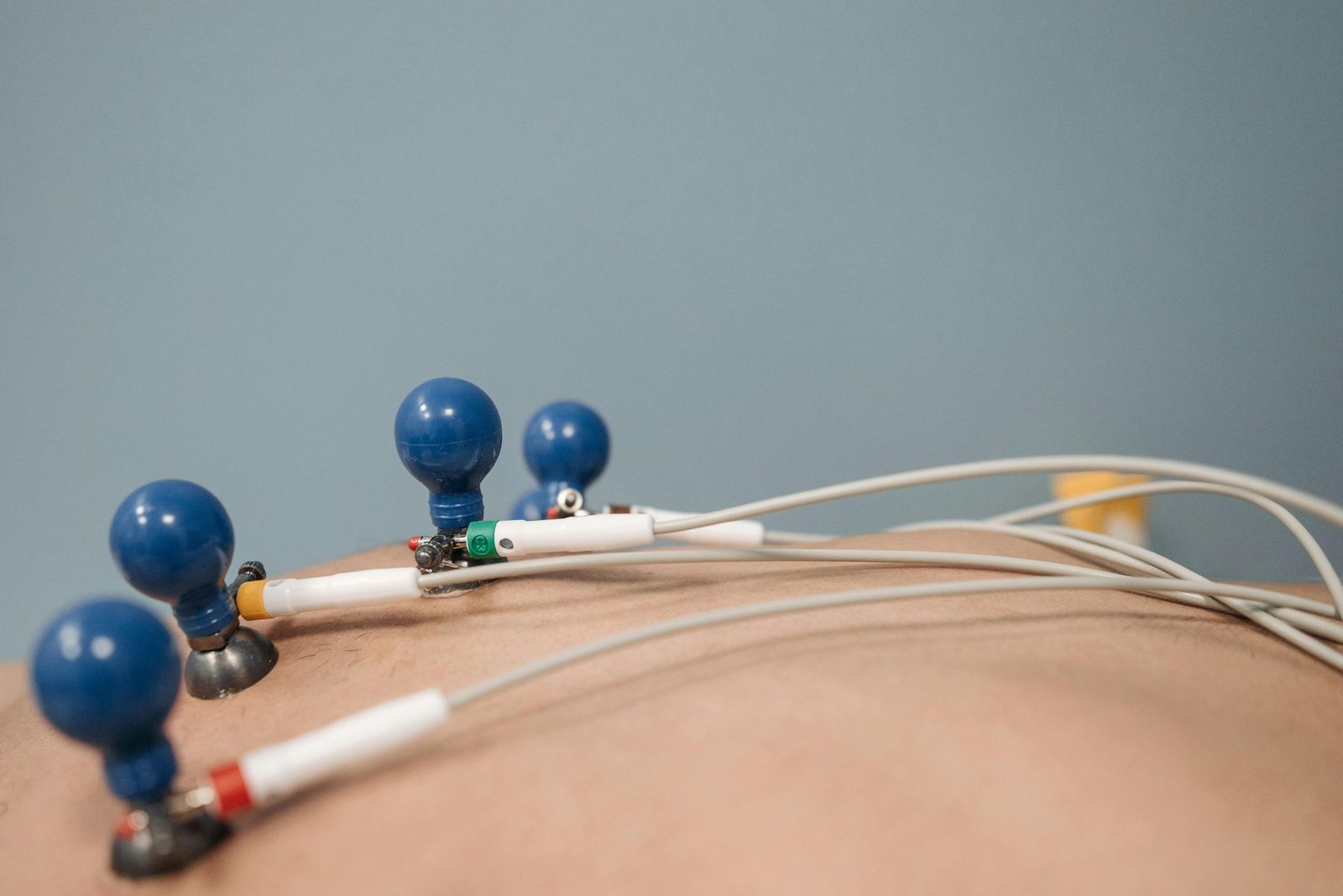
Diagnostic tools such as electrocardiograms, stress tests, and cardiac imaging help doctors determine whether narrowed arteries are affecting heart function.
Supporting Long-Term Heart Health
Although procedures like stent placement can restore blood flow, long-term heart health depends on maintaining healthy habits. Balanced nutrition, regular exercise, and proper stress management help reduce the risk of future blockages.
Individuals interested in improving overall lifestyle habits can also explore wellness guidance at live and feel, which focuses on building sustainable routines that support both physical and mental well-being.