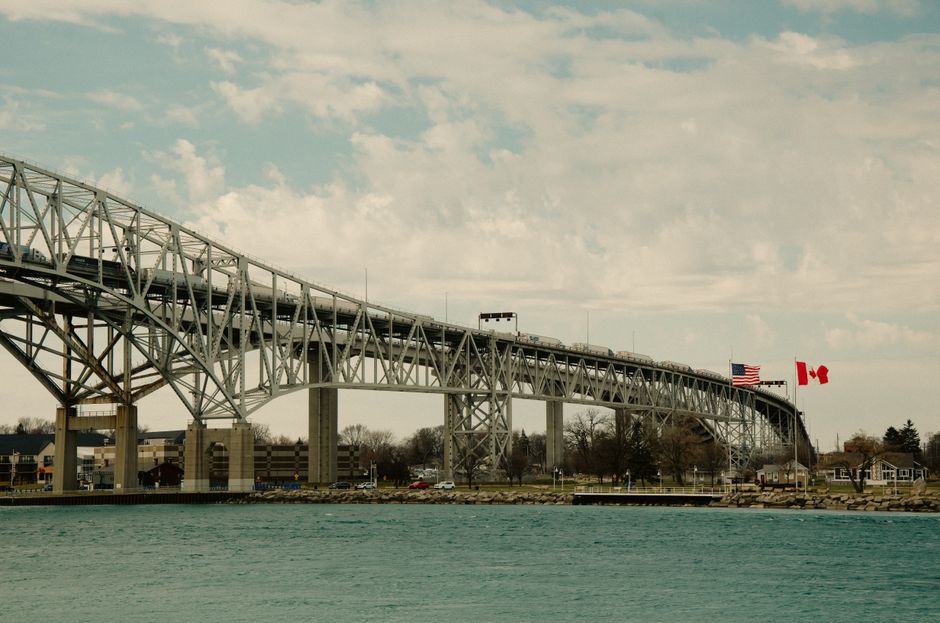
Canada's retaliatory tariffs on American goods came into force overnight, dramatically escalating a trade war between two of the world's most economically intertwined neighbours. The levies — reaching up to 50 per cent on roughly US$20 billion ($27.7 billion) worth of US goods — mirror duties Washington imposed on Canadian exports last month, after multiple rounds of negotiations collapsed with no new talks currently scheduled.
The tit-for-tat measures have pushed Canada–United States relations to one of their lowest points in modern memory, with both governments blaming each other for the breakdown. Analysts warn the fallout could extend well beyond economics, threatening decades of closely integrated supply chains and diplomatic ties built across the two nations' shared border.
A Trade Relationship Unlike Any Other
Former US ambassador to Canada David Cohen described the bilateral trade relationship as "arguably the most interconnected trade relationship anywhere in the world." He pointed to the automotive sector as a prime example, noting that many products — including motor vehicles — cross the border multiple times during the manufacturing process before reaching a consumer.
Cohen highlighted the case of Canadian private jet manufacturer Bombardier as a clear illustration of how deeply the two economies are enmeshed. US President Donald Trump signalled on social media this week that Bombardier would be barred from selling planes in the US unless it moved manufacturing onto American soil. Yet Bombardier employs more than 1,000 workers in Kansas and maintains supplier relationships across 47 US states — meaning any punitive action against the Canadian company would directly hurt American workers too.
"In a trade war, the only people being hurt are small businesses and individual employees in both Canada and the United States," Cohen said. "That can't go on. We have to find a resolution to it."
He stressed that it is not political leaders bearing the brunt of the dispute, but small and medium-sized businesses caught in the crossfire of decisions made far above them.
Deep-Seated Tensions, Not Just a Trade Spat
While tariffs are the most visible flashpoint, experts say the hostility runs deeper than economics. Jessica Genauer, an international relations specialist at the University of New South Wales, said the current animosity traces back to Trump's first term and has since hardened into something more entrenched.
"What we're seeing now is a much more fractious, deep-seated antagonism that's starting to emerge," she said.
Particularly inflammatory for Canadians, Genauer noted, have been Trump's repeated comments undermining Canadian sovereignty — including characterising Canada as a prospective 51st US state. These remarks have been received as "particularly egregious" by Canadians across the political spectrum and have stiffened public resolve against concessions.
Carney's Gamble: 'Pivot and Prosper'
Canadian Prime Minister Mark Carney has responded by actively distancing Canada from its largest trading partner, framing economic diversification not as a painful necessity but as a strategic opportunity. In a video published after the latest tariffs took effect, Carney declared: "We have everything we need to pivot and prosper."
For Carney, the political and economic cost of pivoting away from the US is outweighed by what he describes as the "cost of standing still." His government has designed the retaliatory tariff package to apply maximum political pressure — deliberately targeting sectors in key competitive US states including Michigan and Ohio, ahead of American midterm elections in November.
Whether Canada can genuinely reorient its trade relationships in the short term remains an open question. The US is still by far Canada's dominant trading partner, and the scale of integration between the two economies means even targeted tariffs carry significant collateral damage on both sides of the border.
With no new negotiations scheduled and the 18-month-old dispute showing no sign of resolution, economists and diplomats alike are watching to see who blinks first — and at what cost to workers in both countries.