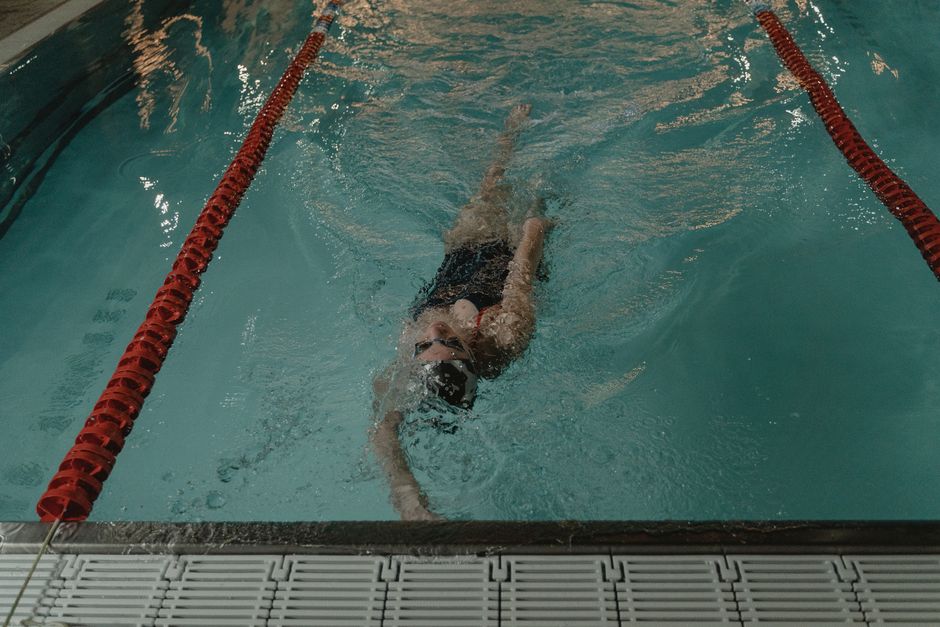
The Queensland government has released the first official render of the National Aquatic Centre planned for Brisbane's 2032 Olympic Games, offering a glimpse of the facility set to replace the existing Centenary Pool complex in Spring Hill on the edge of Victoria Park.
The design is being led by a partnership of ARM Architecture and NH Architecture, working alongside Queensland-based practice Arkhefield. The new venue has been described by a state government spokesperson as "an iconic swimming and water sports centre that will host the world's best aquatic athletes in 2032 and be a world-class facility and high-performance hub for Australia's future super fish."
Site Handover and Timeline
The existing Centenary Pool Complex is set to be handed over to the Games Independent Infrastructure and Coordination Authority (GIICA) by Brisbane City Council on 1 September, with 30 August confirmed as the pool's final day of operation for the public.
The broader construction timeline for the National Aquatic Centre, however, has not yet been confirmed. The release of the render marks a significant step forward in the venue's planning, though several key questions — including how the site's heritage-listed elements will be treated — remain publicly unresolved.
The render itself does not detail how the heritage-listed components of the Centenary Pool site will be incorporated or preserved. Premier David Crisafulli has previously declined to address whether the existing complex will be demolished, and it remains unclear what role, if any, the heritage structures will play in the final design. For those interested in the broader landscape of Brisbane's Olympic infrastructure planning, the Brisbane Olympic Stadium provides useful background on the scale of the 2032 Games venue program.
Capacity and Cost Questions Cloud the Design
One of the most pressing unresolved issues surrounding the National Aquatic Centre is its planned capacity. The venue had originally been earmarked to seat 25,000 spectators, but questions are now swirling over whether that figure will be scaled back to reduce costs.
Deputy Premier Jarrod Bleijie declined to confirm or deny reports on Wednesday that the design team had been asked to reduce the centre's capacity as part of a broader cost-management exercise across all Games venues. The overall budget for Brisbane 2032 venues stands at $7.1 billion, and Bleijie made clear that all projects are required to be delivered within that envelope.
"GIICA is required to go through all that at the moment and the budget is $7.1 billion, and they're required to deliver those projects within budget," Bleijie said.
"Capacity has been detailed in the delivery plan, but we are going through a process with GIICA at the moment for all the venues, and we did ask them to look at the costings. When you appoint architects and designers, they have to do it within budget, and we've been abundantly clear on that."
The comments come amid reports that ARM Architecture had been approached to scale back the centre's scope to manage spiralling costs — a move that would represent a significant reduction from the ambitious 25,000-seat plan. The government has yet to formally confirm or deny those reports.
Tenants Left in the Dark Over Eviction and Compensation
While the render offers a polished vision of what the new facility could look like, the human impact of the transition has raised concerns. Tenants currently operating at the Centenary Pool site have not received official confirmation of their eviction date, and have been given no information about compensation arrangements.
Bleijie confirmed on Wednesday that affected tenants would be compensated, but said the timing and amount of any compensation was a matter for Brisbane City Council to determine — not the state government.
The lack of clarity for tenants adds a layer of uncertainty to a project still navigating significant planning, financial and heritage hurdles, even as the government moves to project confidence through the release of the first design imagery. Those interested in how dual-purpose design thinking applies to major public facilities may find relevant context in our earlier coverage of dual-purpose design.
What Comes Next
With the handover of the Centenary Pool site to GIICA scheduled for 1 September, the coming weeks will mark a decisive shift in the project's trajectory. However, the government still faces pressure to clarify the venue's final capacity, the fate of its heritage-listed structures, and the compensation arrangements for displaced tenants.
The release of the render signals momentum in the lead-up to Brisbane 2032, but the National Aquatic Centre's full design — and the costs attached to it — remain a work in progress. GIICA is understood to be working through venue-by-venue cost assessments, with further announcements expected as those processes conclude.
For a city building toward one of the world's most-watched sporting events, the aquatic centre represents both a flagship opportunity and a test of the government's ability to deliver complex, heritage-sensitive infrastructure on time and within a fixed budget.