She was born in regional Victoria in 1900, yet for much of her life Irene Law — then known as Lucy Maud Lem Cue — needed a government-issued exemption certificate simply to return to the country of her birth. Decades after her death, her photograph has appeared on walls across Australia, forcing a reckoning with one of the most uncomfortable chapters in the nation's immigration history.
A family secret hidden in the photo albums
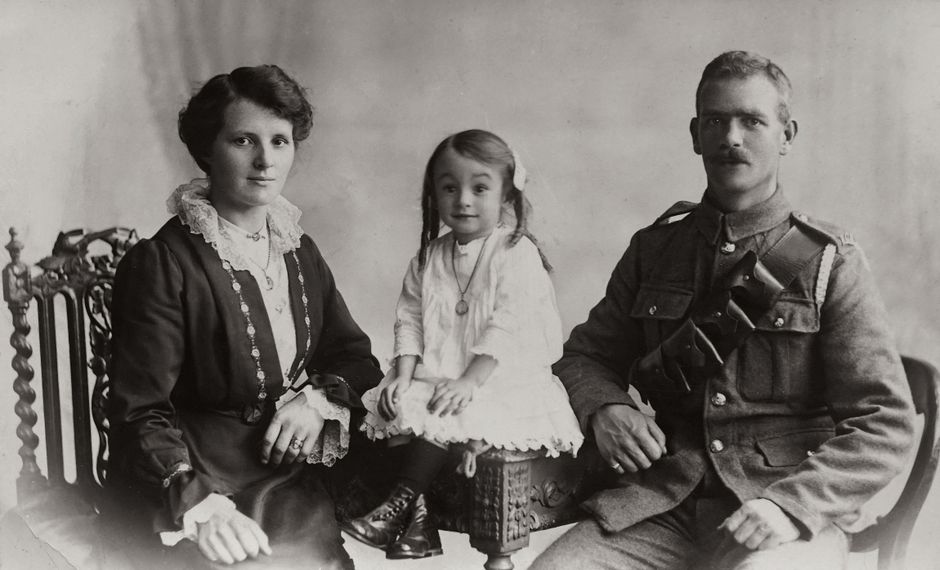
At his home in Northcote, Melbourne, Steven Law has been poring over old family albums spread across the dining room table. Among the photographs is a large sepia image of his grandmother — a woman he recalls as poised and immaculately dressed.
"Irene was an elegant woman; she was well spoken, well dressed. That was how we knew her," Steven said.
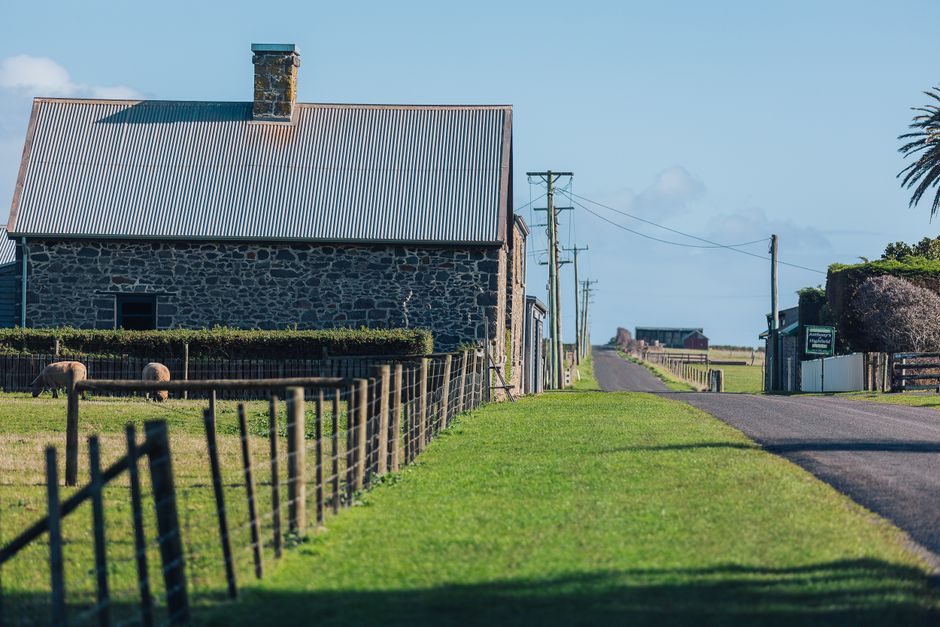
Irene was born in South Wangaratta, north-east Victoria, making her Australian by birth. Yet under the Immigration Restriction Act 1901 — a cornerstone of what became known as the White Australia policy — non-European residents, including those born on Australian soil, could be subjected to the so-called dictation test when seeking re-entry to the country. The test required a person to write a 50-word passage in a European language chosen by an immigration officer; after 1905, that officer could select any prescribed language, including one the applicant had no knowledge of. Failure meant being declared a prohibited immigrant and refused entry, or in some cases deported.
To avoid that fate, eligible non-European residents who wished to travel abroad could apply for an exemption certificate, which permitted them to return within a set timeframe without sitting the test. Irene was among those who held such a document — a bureaucratic reminder that her birthplace alone was not considered enough.
For Steven and his sister Christina Law, that chapter of their grandmother's life had been largely kept quiet within the family. The discovery that Irene's story was now being told publicly moved Christina deeply.
"I was really overwhelmed and quite teary when I saw that nanna had been included in this series," she said.
The 'Aussie' poster series and what it asks of us
Irene's photograph is part of artist Peter Drew's Aussie poster series, which debuted in 2016. The works draw on archival photographs held by the National Archives of Australia — images of people who applied for the dictation test exemption certificates. Printed large and pasted to walls in public spaces around the country, the posters pair those faces with the word "Aussie."
The series has generated strong reactions over more than a decade, including graffiti, counter-posters and attempts to tear the works down. More recently, videos of the posters being defaced and altered with different messages about identity have circulated on social media.
Drew, spotted replacing vandalised posters on Morphett Street in Adelaide's CBD, said the word "Aussie" carries a deliberate tension.
"In some ways, the posters have a double meaning because the first way to read it is that the person in the poster is Aussie, and that's a celebration of them being Australian," he said. "But in another way, the poster is also saying that the White Australia policy is Aussie, and that's something that we don't celebrate. So, there is a paradox because those two things are conflicting with each other."
Questions about Australian identity that haven't gone away
Irene Law's story sits within a broader and still-unresolved conversation about who has historically been recognised as truly Australian. Australia has never been a monoculture, yet the White Australia policy encoded racial exclusion into law for decades, affecting people — like Irene — who had no other home.
For her grandchildren, seeing her face on walls across the country is both a validation and a reminder of how much went unsaid.
"Irene was an elegant woman," Steven repeated, studying the sepia photograph one more time through his magnifying glass — a woman who belonged here, and had to prove it anyway.