The body of slain Iranian Supreme Leader Ayatollah Ali Khamenei has arrived at the country's holiest shrine for burial, carried through packed streets in the northeastern city of Mashhad as crowds waved placards reading "We Will Kill Trump" and chanted "Death to America" — a defiant final farewell that underscored the deep hostility still simmering between Tehran and Washington.
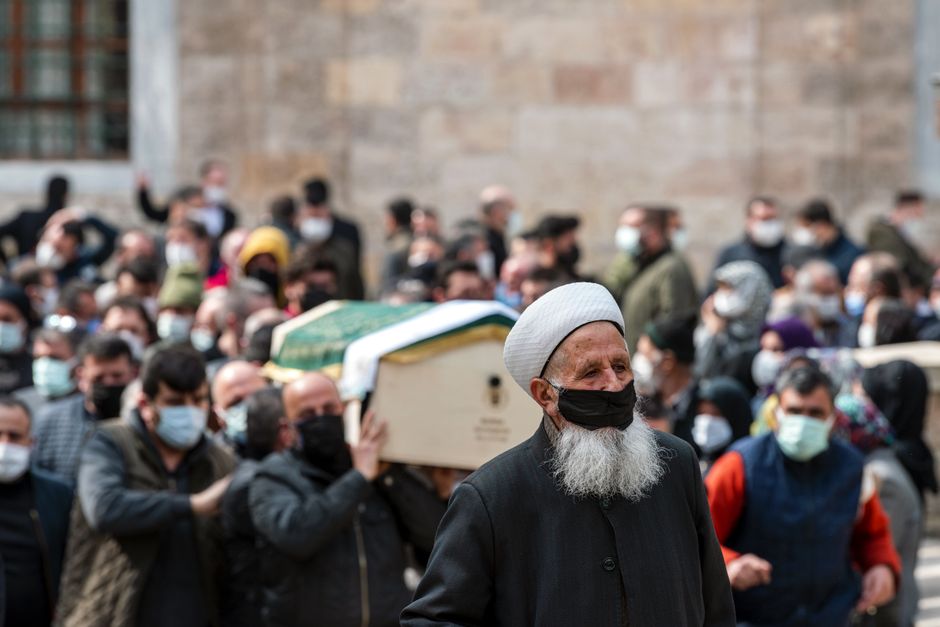
The State funeral of Ali Khamenei reached its culmination as his coffin was transported slowly by truck through crammed streets towards the gilt dome and minarets of the Shrine of Imam Reza, flanked by white-turbaned clerics. Black-clad mourners pressed in close behind, waving Iranian flags, photographs of the late leader and red placards bearing revolutionary slogans. When the density of the crowd made it impossible for the truck to proceed, a helicopter lifted the coffin the final short distance to the shrine, where it was laid on a carpet as clerics gathered in prayer.
Crowds Demand Revenge as Khamenei Is Laid to Rest
The atmosphere in Mashhad was one of grief and fury in equal measure. As mourners jostled in the streets awaiting the funeral cortege, chants grew louder and more pointed.
"I swear by the blood of the supreme leader, Trump, we will kill you!" crowds were heard shouting, with women among those holding up placards bearing the same message. As dusk fell and the shrine's courtyard filled to capacity, the defiant slogans of "Death to America" rang out above the sound of lyrical funeral laments and sorrowful string music broadcast over loudspeakers. Senior ayatollahs sat waiting on a raised dais beneath the intricate blue tiling of an arched pavilion.
Iranian authorities have framed the enormous turnout — spanning a week of funeral events — as a demonstration of the enduring legitimacy and popularity of the Islamic Republic, nearly five decades after the 1979 revolution. The scenes of mass mourning have been presented by the state as proof that the theocratic system Khamenei presided over for 37 years commands deep loyalty among the Iranian people.
Successor Mojtaba Khamenei Remains Hidden from Public View
Even as the nation publicly mourned, one significant absence cast a shadow over proceedings. Mojtaba Khamenei, Ayatollah Khamenei's son and successor, has not been seen in public since the 28 February strike that killed his father — the same attack in which he reportedly suffered debilitating injuries, including severe facial disfigurement and wounds to his limbs.
Mojtaba was proclaimed supreme leader by a clerical assembly in early March, approximately a week after his father's death, but has since communicated only through written statements. No image, video or voice recording of him has been made public. Senior sources in Tehran have indicated he is recovering but has not yet been well enough to make public appearances. Security services are also said to be deliberately limiting his exposure amid fears of further strikes from the United States.
His continued absence is being interpreted as a sign of the significant unease still gripping Iran's leadership, even as the state projects an outward image of unity and resolve.
US-Iran Hostilities Flare Again Despite Ceasefire
The funeral comes amid a renewed deterioration in relations between Tehran and Washington. Despite an interim ceasefire having been in place, US President Donald Trump declared this week that the truce is "over", and the two nations have since traded fresh attacks. Concerns are mounting that a return to open hostilities could place renewed stress on the global economy, particularly given Iran's continued control of the Strait of Hormuz — one of the world's most critical waterways for energy supplies.
Iran, for its part, has proclaimed that it has emerged victorious from months of assault by both Israel and the United States, a narrative its leadership has sought to reinforce through the mass public grieving on display this week.
Deep Internal Divisions Beneath the Public Mourning
Yet analysts caution against reading the funeral crowds as an unambiguous verdict on Khamenei's legacy. Beneath the surface, Iran faces substantial internal pressures. The late supreme leader's nearly four decades of rule remain bitterly contested in a country where large numbers of citizens have repeatedly taken to the streets in recent years to protest poverty, political repression and a lack of basic freedoms.
The scale of the funeral pageantry, however staged or heartfelt, does little to resolve those underlying tensions, which Iran's new and still largely invisible leadership will eventually have to confront. How Mojtaba Khamenei — when he finally emerges publicly — navigates that fractured domestic landscape, while simultaneously managing a highly volatile confrontation with the United States, will define the next chapter of the Islamic Republic's turbulent history.