Bali is facing a deepening environmental crisis — overflowing rubbish, burning plastic and choked waterways — even as the island records its highest-ever tourist numbers and Indonesia pushes forward with an ambitious plan to transform it into the "Dubai of Southeast Asia." The collision of unchecked tourism growth, inadequate waste infrastructure and sweeping economic development ambitions is placing an enormous burden on local communities.
A Landfill Closure That Exposed a Bigger Problem
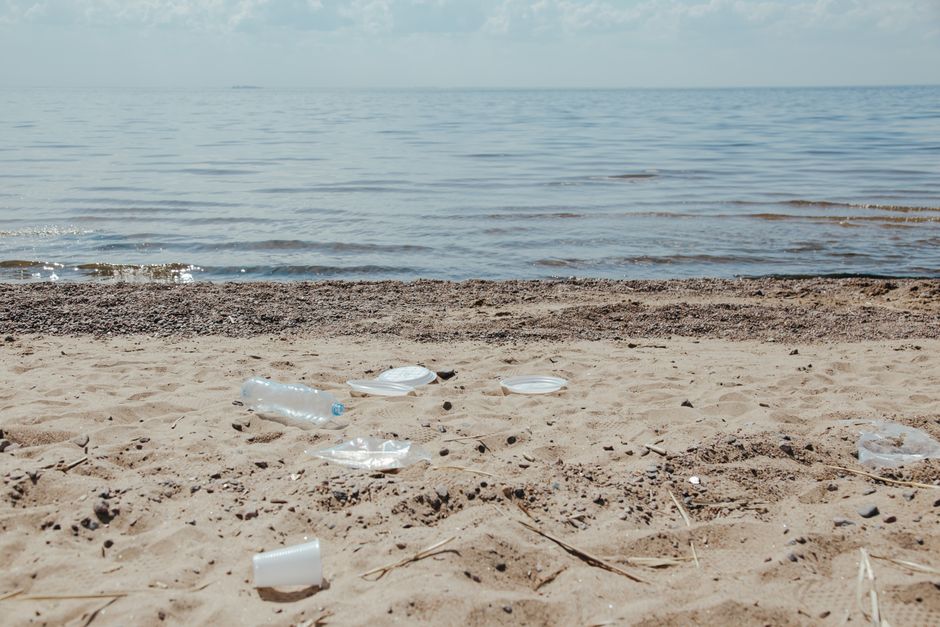
When Bali's primary landfill site at Suwung was closed in April, the consequences became visible almost immediately. Bags of rubbish and single-use plastics began accumulating in streets, on beaches and in canals across the island. One Balinese writer captured the mood on social media, describing how "the air is no longer fresh; the views are clouded by haze; and the sweet scent of frangipani has been replaced by the acrid smell of burning plastic."
The closure had been years in the making, as Indonesia's central government moves to phase out open-air waste dumping. By June, authorities had partially reopened Suwung to accept organic waste, but only two days per week — a limited concession that has done little to resolve the underlying problem.
Made Suarnatha, who founded an environmental NGO in Bali back in 1993, argues the crisis goes well beyond the landfill. He describes it as fundamentally "a political issue" — one that has been building as tourism reshaped the very nature of the waste Bali generates. "It's no big issue when we talk about waste which is mostly organic, but the tourism industry comes, and the character of the waste changes to packaging with plastic, cardboard, metal, and everything," he said. "It changed its character without being followed by an understanding of how to handle it."
An economist at Universitas Indonesia, who grew up visiting family on the island, puts the scale of the problem in stark figures: roughly 3,436 tonnes of waste are generated in Bali every day, with around 40 per cent of that either burned or illegally dumped. "The failure is more likely structural rather than behavioural," she said. "The regulation exists, but the collection and processing infrastructure to back it up does not."
Record Tourist Numbers — and a Million-Plus Australians
Far from slowing, tourism to Bali surged last year, with visitor numbers climbing by nearly 10 per cent to just under seven million people. Australians remain the island's single largest national group of visitors, accounting for 1.6 million of those arrivals, according to Indonesia's government statistics bureau.
Bali now accounts for 45 per cent of Indonesia's total international tourism in 2025 — a share that gives the island enormous economic weight, but also amplifies pressure on its environment and public services. As Suarnatha noted, every tourist requires food, water and transport, each generating waste as a by-product of their visit.
In July, environmental groups and student activists staged a protest in the Balinese capital Denpasar, calling for a moratorium on tourism until the waste, water and land-use crises were addressed. The Indonesian government, however, has shown no appetite for such a pause.
Indonesia's 'Dubai' Vision and the Turtle Island Gamble
Instead, Jakarta is doubling down on investment. In April, a new special economic zone was opened on a 498-hectare island connected to Bali by a causeway, known as Kura Kura — or Turtle Island. The zone offers foreign investors 20-year tax holidays and is already home to a high-end shopping centre complete with a rooftop pool, with luxury residential developments planned.
Indonesia's coordinating minister for economic affairs said publicly in June that the ambition is to build a financial centre "on Dubai's calibre," drawing explicit comparisons to the Dubai International Financial Centre model.
The Universitas Indonesia economist offered a cautious assessment of the project, saying it could represent a genuine development opportunity — but only if accompanied by robust safeguards against money laundering and profit-shifting. "I would be careful about calling it a tax haven," she said.
For the Balinese communities living with the rubbish, the haze and the acrid smell of burning plastic, the question is whether any of that investment will translate into the waste management infrastructure the island so urgently needs — or whether the burden will continue to fall on those who call Bali home.