Australia's unemployment rate climbed to 4.7 per cent in September, its highest level in almost five years, after roughly 39,000 jobs were shed during the month. Despite the grim headline figure, the local sharemarket staged a notable recovery on Thursday 15 October, with investors interpreting the weak labour data as reducing the likelihood of another interest rate rise.
A Tale of Two Halves on the ASX
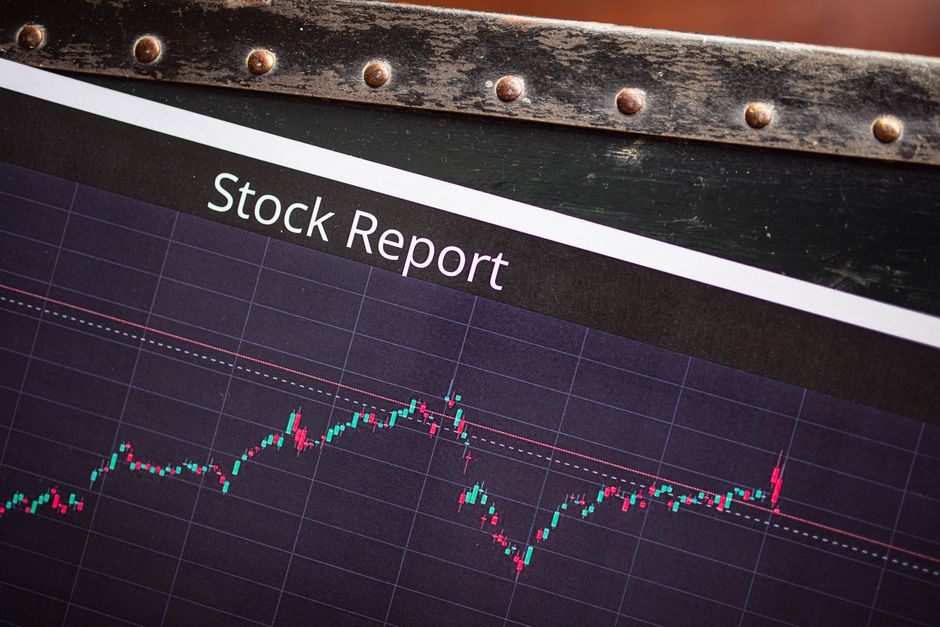
The Australian sharemarket opened sharply lower but clawed back those early losses as the full extent of the jobs figures sank in. The September employment report showed the bulk of the damage came from a sharp decline in part-time workers, pushing the overall unemployment rate to its worst reading in close to five years.
Investors chose to focus on what the data means for monetary policy. With the labour market softening, markets moved to effectively rule out a rate hike on Melbourne Cup Day, relieving pressure on the Reserve Bank of Australia to tighten further. That expectation shift was enough to send buyers back into some of the market's most rate-sensitive sectors.
Banks and Retailers Surge, Miners Struggle
The banking sector led the market's recovery, with CBA, ANZ, Westpac and NAB all posting strong gains on the day. Retail stocks also benefited from the improved sentiment, and supermarket giants Coles and Woolworths were among the session's standout performers.
Not every corner of the market shared in the rebound, however. Mining stocks came under pressure, with BHP and Rio Tinto both falling heavily, bucking the broader trend.
The Australian dollar weakened on the jobs news, dropping to around 69.5 US cents as traders factored in the reduced prospect of near-term rate increases.
The session served as a reminder of how closely financial markets watch labour data, and how a weaker-than-expected result can sometimes prove positive for equities when the primary concern is the direction of interest rates. With Melbourne Cup Day rate expectations now largely off the table, attention will turn to whether the jobs market continues to soften in the months ahead.
This is general information only and does not constitute personal financial advice. Consider seeking advice from a qualified financial professional before making any financial decisions.