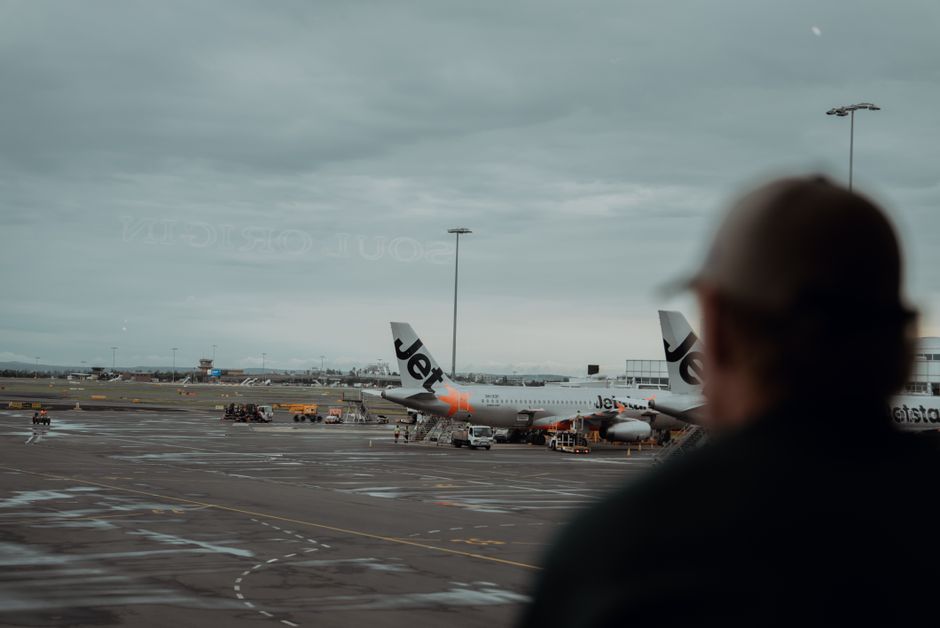
Australia's aviation safety watchdog has launched a formal investigation into a serious runway near-miss at Sydney Airport involving two Qantas aircraft, as it reveals that roughly 60 similar incidents are reported across the country each year. The incident occurred at approximately 8.14am on July 27, when a Qantas Boeing 737 arriving from Queenstown and a QantasLink Dash 8 that had just landed from Canberra were simultaneously cleared to use the same runway.
No passengers or crew were injured. Both aircraft came to a stop before reaching each other, though the Boeing 737 had already rolled through a holding stop point before halting — a detail that led the Australian Transport Safety Bureau (ATSB) to classify the occurrence as a serious incident.
What made this runway incident 'serious'
While the ATSB receives around 60 reports of runway-related incidents annually, the vast majority do not meet the threshold for classification as serious. ATSB chief commissioner and CEO Angus Mitchell explained that only a small number each year ultimately fall into that higher-risk category — and this latest Sydney Airport event is one of them.
"Very few of them go into that serious bucket, and this one does qualify as serious," Mitchell said. The critical factor was the 737 rolling through a designated holding stop before coming to rest, indicating a breakdown in the coordination that is supposed to keep aircraft separated on the ground.
Mitchell noted that while air traffic controllers rely on a digital system to manage aircraft movements on the ground, pilots also carry an independent responsibility to verify the path ahead is clear. Investigators are now working to understand exactly where the coordination failure occurred — whether with air traffic control, the flight crews, or some combination of contributing factors.
Investigation underway: what investigators are examining
The ATSB has already interviewed the pilots of both aircraft and will next speak with the air traffic controllers on duty at the time. Investigators will also analyse recorded flight data from both planes and review all relevant radio communications from the morning of the incident.
Beyond the sequence of events, the investigation will consider the experience levels of all personnel involved and how long each had been on duty at the time of the near-miss. Mitchell was careful to stress it remains too early to draw conclusions.
"We look at experience level of all those personnel involved. We look at how long they've been on duty for that day," he said. "There's a whole range of things we need to consider before we can really determine what contributed to this."
The bureau said that should any critical safety issue be identified during the course of the investigation, relevant parties would be notified immediately so that appropriate action could be taken without waiting for the final report.
Timeline and safety implications
The ATSB expects to complete its full investigation report by the end of 2026. The findings could prompt recommendations for changes to ground coordination procedures, air traffic control systems, or pilot protocols — though investigators stressed that no conclusions would be reached until all available evidence had been thoroughly examined.
The case has drawn fresh attention to the frequency with which runway incidents occur at Australian airports, even if most never escalate to the level of a formal serious incident investigation. With approximately 60 reports filed every year, the watchdog's workload in this area is substantial, and the Sydney Airport event serves as a reminder that even at one of the country's busiest aviation hubs, the margin between a routine landing and a potentially catastrophic outcome can be narrow.
Investigators have made clear they will consider every possible contributing factor before determining what went wrong and whether further safety improvements are warranted across Australia's aviation network.