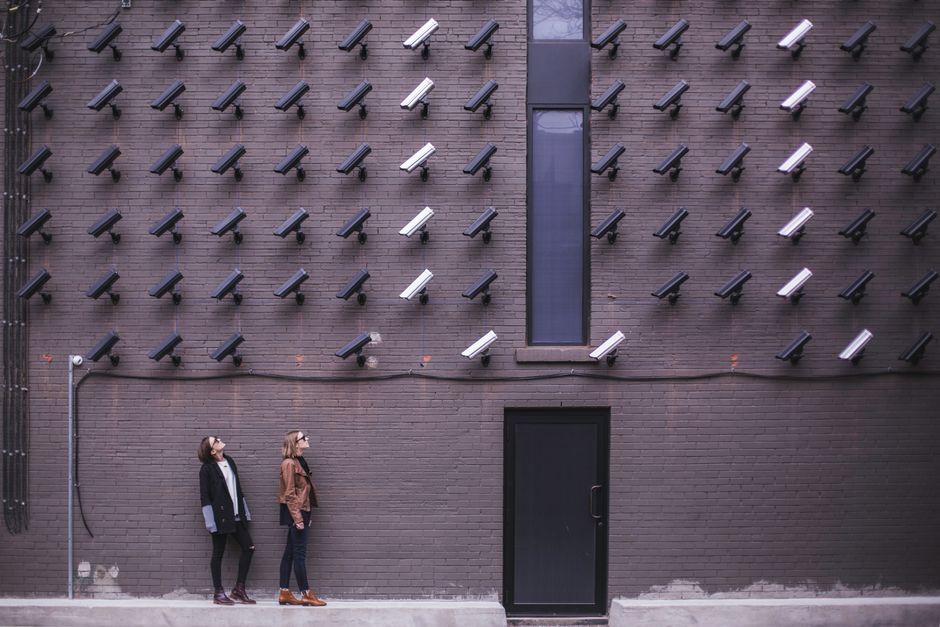
Australia's online safety watchdog has urged manufacturers of smart glasses to automatically blur the faces of people filmed without their consent, as concern grows about the proliferation of camera-equipped eyewear in everyday public spaces.
The eSafety Commissioner has issued formal advice to industry calling for a suite of built-in privacy protections for smart glasses — wearable devices fitted with cameras capable of recording video and livestreaming footage. The push comes amid a rapid expansion in the availability of such products, including cheap versions now sold at mass-market retailers like Kmart.
What the eSafety Commissioner is recommending for smart glasses
Under the watchdog's recommendations, faces of bystanders should be blurred by default unless those individuals have given their consent to being filmed. The commissioner has also called for clearer visual indicators to show when the glasses are actively recording, so that nearby members of the public are aware they may be captured on camera.
Additional recommendations include introducing a time delay on livestreaming from smart glasses and automatically disabling recording functionality when the device is not being worn.
"Companies selling smart glasses must balance the benefits of the technology with the need to protect users and the public," the commissioner said. "As smart glasses become more common, they may create new ways to perpetrate harms."
The advice warned that the technology could be increasingly exploited for image-based abuse, adult cyber abuse, cyberbullying of children, and the livestreaming of violent or otherwise harmful content. Critically, the commissioner stressed that the window to embed safety features before these harms become entrenched remains open — but may not stay that way for long.
"The harms linked to covert recording are not hypothetical. They are real and already occurring," the advice stated.
Women being filmed without knowledge — a specific concern
Among the scenarios flagged by the commissioner was the use of smart glasses by so-called "pick-up artists" to covertly film women in public without their knowledge. The commissioner noted that footage captured in this way is frequently posted online, where it attracts misogynistic commentary that compounds the original harm.
"Used in this way, smart glasses can reinforce and normalise watching, recording and controlling women in public without their knowledge," the commissioner said.
Government and Greens respond with calls for stronger regulation
The issue has drawn attention across the political spectrum. Attorney-General Michelle Rowland wrote to the privacy commission earlier this month requesting an investigation into whether additional regulations for smart glasses were warranted.
The Greens have gone further, calling for a 12-month ban on the importation of smart glasses. Under measures the minor party intends to bring before parliament, filming, storing or sharing footage captured through smart glasses without consent would constitute a breach of privacy law.
Meanwhile, Rowland is set to outline a broader package of privacy law reforms, including the introduction of a "right to erasure" — a mechanism that would allow Australians to request that tech companies delete their personal information from digital platforms. The draft laws, as currently proposed, would not apply to media organisations publishing news content.
"The right to erasure will help put more control in the hands of Australians, allowing personal information to be destroyed from large digital platforms," Rowland said. "We must ensure appropriate safeguards are placed around technology and stop the erosion of our privacy protections."
The federal government is also set to introduce a service called IDLock, aimed at providing Australians with additional protections for their identity documents online, though full details of the service are yet to be released.
The combination of regulatory pressure, industry advice and proposed legislation signals a significant shift in how Australia intends to govern emerging surveillance technologies. As big tech firms face increasing scrutiny from Australian regulators, the smart glasses debate adds another front to the country's broader effort to bring digital accountability into line with community expectations.