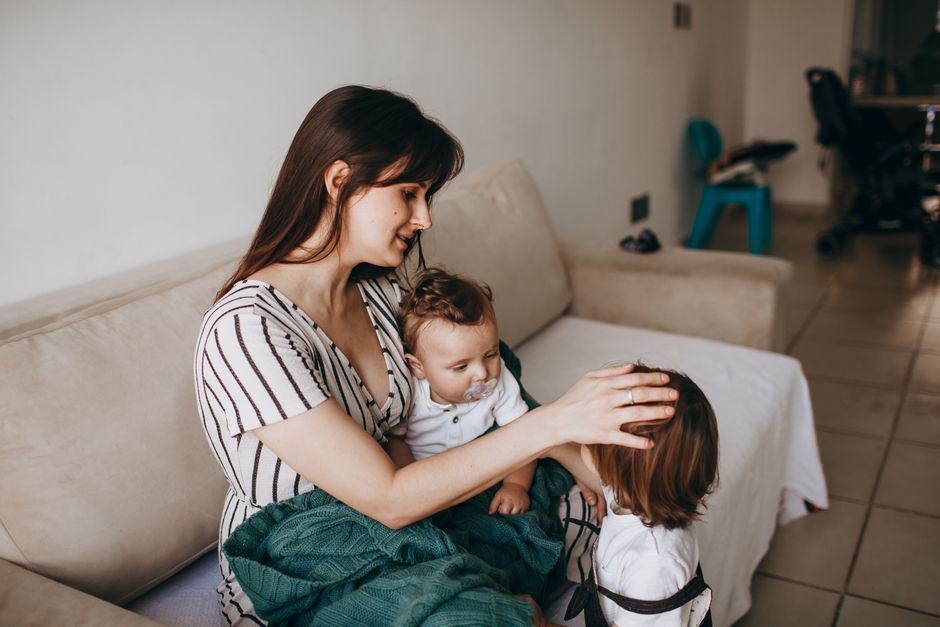
Australia's leading parenting advocate is sounding the alarm that soaring family costs are forcing parents to have fewer children than they want — and warns that without urgent policy reform, the nation risks a deepening demographic crisis. The chief executive of national advocacy organisation The Parenthood, Georgie Dent, is set to address the National Press Club to argue that Australians are being effectively priced out of parenthood, as new data reveals the cost of raising children has outpaced family incomes by a significant margin over the past two decades.
The Rising Cost of Raising a Family
Commissioned analysis by consultancy ConnellGriffin, prepared for The Parenthood, found that raising one child now costs approximately $17,800 per year, while families with two or more children face costs exceeding $36,500 annually. These figures are notably higher than separate research released in June by the Australian National University's Centre for Social Policy, which estimated a single child costs around $13,000 per year and two children roughly $23,000 — equivalent to about $391,000 over 17 years.
Over the past 20 years, the cost of running a family has risen 32 per cent more than family incomes grew over the same period. In practical terms, what it costs to raise a family climbed 134 per cent, while household incomes rose only 102 per cent. Childcare alone now accounts for between 27 and 33 per cent of the total cost of raising a child — a proportion that has grown substantially.
"Parents are genuinely beside themselves; so many families are very genuinely squeezed," Dent said ahead of her Press Club address.
Australia's Birth Rate at Record Lows
The warning comes just days after Treasury released its latest intergenerational report, which forecasts that Australia's already-falling fertility rate will drop to 1.34 by 2065–66 — well below the replacement rate of 2.1 needed to sustain a population without migration, meaning deaths would eventually outnumber births. Australia's birth rate has already fallen 25 per cent from a peak of 2.02 in 2008 to a record low of 1.48 in 2024.
The gap between what Australians want and what they can afford is stark. Data shows men want exactly two children on average, and women want 2.1 — yet those intentions are not being realised. Treasury's Centre for Population estimates that if fertility intentions had been met between 2001 and 2022, Australia could have seen an additional 881,000 births.
With one-third of Australia's current workforce raising dependent children, the economic implications extend well beyond individual households. Dent argues the shortfall is driven significantly by affordability, not a change in desire to have children. As broader debates continue about Australia's population policy, advocates say the nation cannot afford to overlook what is happening to its birth rate.
Childcare Access and the Affordability Crisis
Childcare affordability has deteriorated sharply in recent years. In 2020, only 12.5 per cent of centre-based childcare services charged fees above the government fee cap. Today that figure has climbed to approximately 43 per cent. For families in regional, rural and remote Australia, access is even more constrained — previous research by The Parenthood found that 86 per cent of parents in those areas are experiencing financial stress directly because of difficulties accessing childcare.
What Advocates Say Needs to Change
Dent is calling for a suite of policy reforms, including extending the minimum paid parental leave scheme from its current six months to the OECD average of one year, and delivering what she describes as "genuinely universal" affordable, accessible, and quality childcare — backed by a professionally paid workforce. She has spent 18 months campaigning for a national Early Childhood Education and Care Commission to oversee that delivery.
The reforms, Dent argues, would free parents both to work the hours they need and to afford the family sizes they actually want — rather than the smaller ones that current costs are forcing upon them.