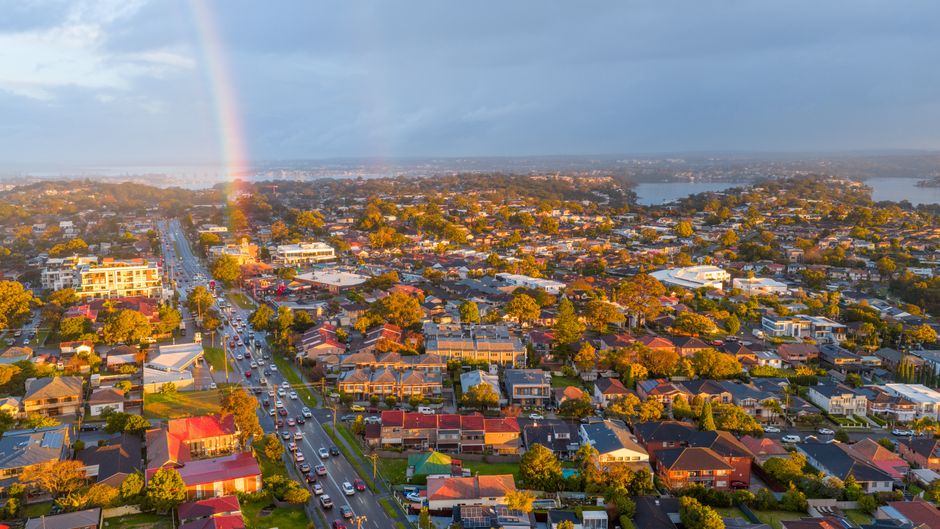
Australia's residential property market has more than tripled in value over the past 15 years, and a handful of suburbs have delivered extraordinary returns for homeowners, with one Hunter Valley wine region town recording median house price growth of 417 per cent since 2011.
When Australia's property market was valued at roughly $4.2 trillion in 2011, few would have predicted it would swell to more than $12 trillion by 2026, according to Australian Bureau of Statistics figures. But growth has been far from uniform, with lifestyle destinations, coastal communities and newly developed outer suburbs pulling well ahead of the national average.
The suburbs with the biggest house price growth
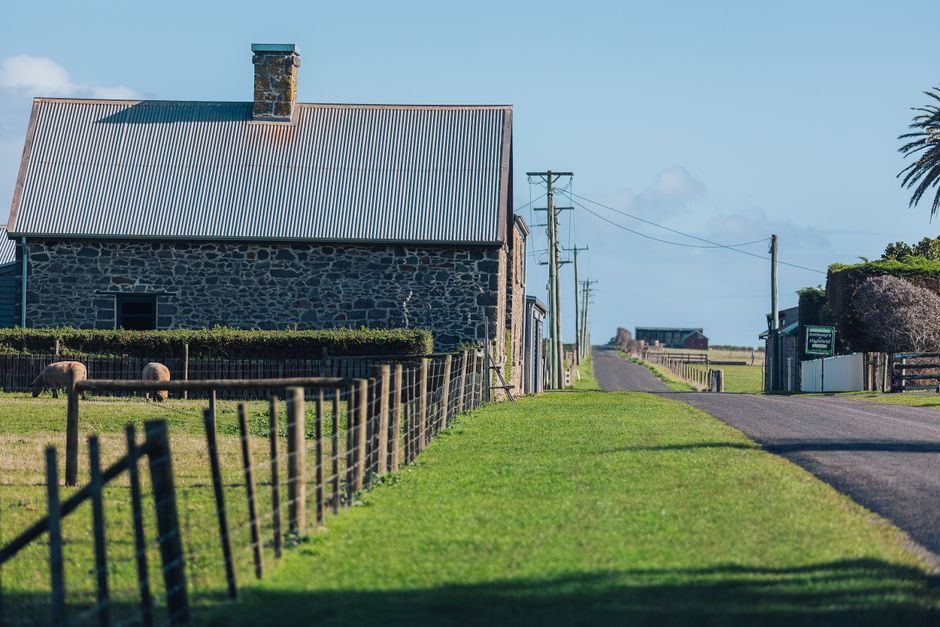
Topping the national list for houses is Pokolbin, in New South Wales' Hunter Valley, where the median sale price has surged from $315,000 in 2011 to $1,628,000 today, a rise of 417 per cent.
Rounding out the top 10 nationally for house price growth are:
- Jordan Springs (NSW)
- Palm Beach (NSW)
- Byron Bay (NSW)
- Mermaid Waters (QLD)
- Bellamack (NT)
- Boolaroo (NSW)
- Buddina (QLD)
- Miami (QLD)
- Forde (ACT)
The majority of suburbs in the top 10 are located in NSW and Queensland, with east coast communities dominating the rankings. For some suburbs, the driver is lifestyle appeal; for others, it is rapid development. Jordan Springs, for instance, was only officially registered as a suburb in 2011, meaning its growth reflects an entire community being built from the ground up.
The Northern Territory has also produced standout performers. Bellamack recorded growth of 313 per cent, and nearby Johnston was up 260 per cent, figures that dwarf the next-highest NT suburb, which grew by just 69 per cent over the same period.
Units: Gold Coast and NSW coastal suburbs lead the way
The east coast also dominates the top growth suburbs for units. The biggest movers over 15 years are:
- Palm Beach (QLD)
- Bogangar (NSW)
- Tugun (QLD)
- Jindabyne (NSW)
- Miami (QLD)
- Reedy Creek (QLD)
- Mona Vale (NSW)
- Currumbin Waters (QLD)
- Double Bay (NSW)
- Casuarina (NSW)
In the Gold Coast suburb of Palm Beach, the median unit price now sits at $1.2 million, representing a 260 per cent increase from 15 years ago. Similar strong growth has been recorded across a string of Gold Coast suburbs. By contrast, the Northern Territory's unit market lagged well behind its house market, with the top-performing NT suburb for units rising just 26 per cent over the period.
For more on how Queensland's property landscape is shifting, see our coverage of which Queensland suburbs have seen the biggest house price falls.
What has driven the growth?
A senior economic analyst at REA Group, Megan Lieu, points to a combination of financial and demographic forces behind the sustained price rise. "One of the key factors has been the lower cash rates seen throughout 2012-2021," she said. "Borrowing capacities increased, resulting in higher demand from buyers and significant growth in home prices."
Beyond interest rates, lifestyle migration has played a defining role. Coastal and tree-change suburbs have attracted strong buyer interest, and an ageing population has fuelled demand in Queensland's Gold Coast, Sunshine Coast and Richmond-Tweed regions in particular. Strong interstate migration, especially from NSW and Victoria into Queensland, has also pushed up prices in those markets.
Affordability pressures in capital cities have redirected buyers toward regional areas. "With affordability becoming more challenged, many Australians have moved away from metro areas, where homes tend to cost more," Lieu said. "This has driven strong population growth in regional areas and higher rates of growth in these areas compared to capital cities."
That dynamic goes some way toward explaining why the overwhelming majority of the nation's top-performing suburbs over the past 15 years are found outside the major cities, in places that once traded at a significant discount to urban markets. For homeowners in those communities, the transformation has been remarkable. For prospective buyers, the window of relative affordability has largely closed.