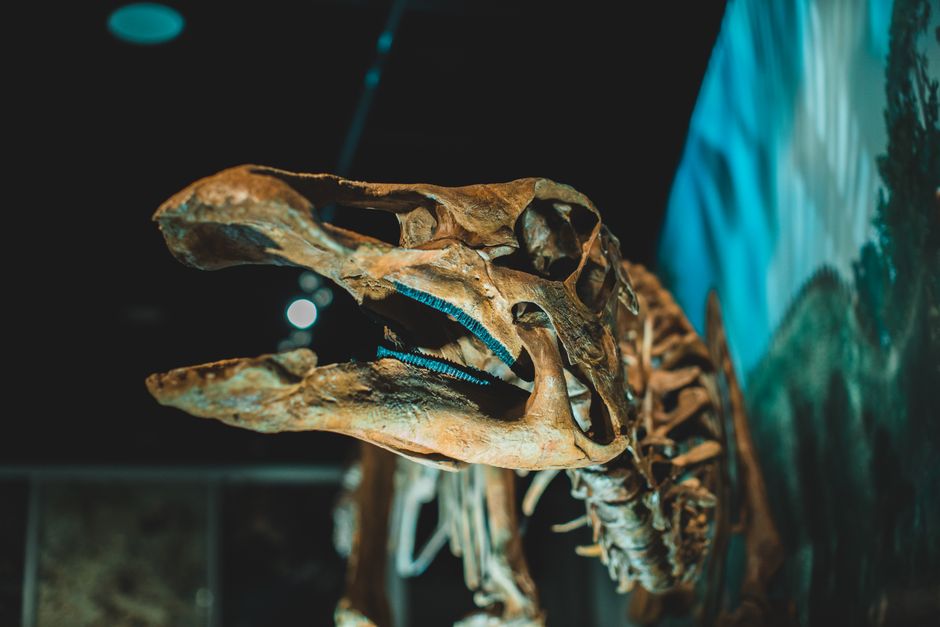
An Australian-led team of scientists says it has found the most compelling evidence yet of red blood cells preserved inside a 115-million-year-old dinosaur bone, a discovery that could open new doors in understanding how prehistoric animals functioned biologically. The study, published in the journal Proceedings of the National Academy of Sciences, centres on a partial hind leg bone from a theropod dinosaur unearthed in northeastern Brazil.
What the researchers found inside the fossil
The bone belongs to Aratasaurus museunacionali, a theropod that lived during the Early Cretaceous period. Palaeontologists recovered it in 2008 from a geological site known as Mina Pedra Branca, within Brazil's Romualdo Formation, a region renowned for the exceptional quality of its preserved fossils. Scientists believe stagnant, low-oxygen waters at the site slowed the decomposition of buried remains, creating unusually favourable conditions for preservation.
Inside the bone's vascular canals, the microscopic tubes that house blood vessels and nerve fibres, researchers identified an abundance of oval-shaped microstructures closely resembling red blood cells. Using a combination of advanced microscopic imaging and chemical analyses, the team then set about determining whether those structures carried signatures consistent with genuine blood cells.
Critically, the researchers detected heme, a molecule found in haemoglobin, the protein responsible for carrying oxygen in red blood cells. According to the study's authors, this marks the first time heme has been detected in situ, meaning within the microstructures themselves, in a dinosaur fossil. The team also found traces of manganese oxides in the bone, minerals thought to have helped stabilise and preserve the cellular material over millions of years.
Why this study differs from earlier research
Reports of red blood cell-like structures in dinosaur and other reptile fossils date back to the late 1990s, but those findings have been fiercely contested within the scientific community. Soft biological material, including tissues and cells, almost never survives the fossilisation process, making such discoveries inherently controversial.
What sets this study apart, its authors argue, is the convergence of multiple independent lines of evidence. Where previous research may have described blood cell-like structures or possible remnants of blood chemistry separately, this team brought together the structures' physical location, appearance, mineral composition and associated chemical signals simultaneously.
Lead author Kliti Grice, an organic geochemist and Distinguished Professor at Curtin University in Western Australia, said the well-preserved bone combined with the new research methods strengthened the case that biological structures and molecules can endure inside prehistoric fossils.
"The exciting implication is not just what we have found in this dinosaur. It is that we now have approaches that can be applied to other fossils to ask how much original biological information may still be hidden within them," Grice said.
Implications for understanding dinosaur biology
Despite the significance of the findings, not all experts are persuaded that the microstructures are definitively red blood cells. The debate over soft-tissue preservation in fossils remains active and unresolved in the broader scientific community.
Grice acknowledged the ongoing uncertainty but pointed to the broader potential of the work. If similar evidence could be found across a range of fossil specimens, researchers could begin asking far more detailed questions about the physiology of extinct animals, including how their cardiovascular and respiratory systems worked.
"If researchers find similar evidence of red blood cells in more fossil specimens, it could potentially help us ask much more sophisticated questions about the physiology of extinct animals," Grice said.
The research is notable not only for what it reveals about a single dinosaur, but for the toolkit it offers palaeontologists hunting for biological information locked inside ancient bones. For scientists like those at studying how biological clues embedded in living animals inform broader life-science questions, the methods pioneered in this study could prove broadly useful. The focus now turns to whether the same chemical and structural signatures can be replicated in other specimens from sites around the world.