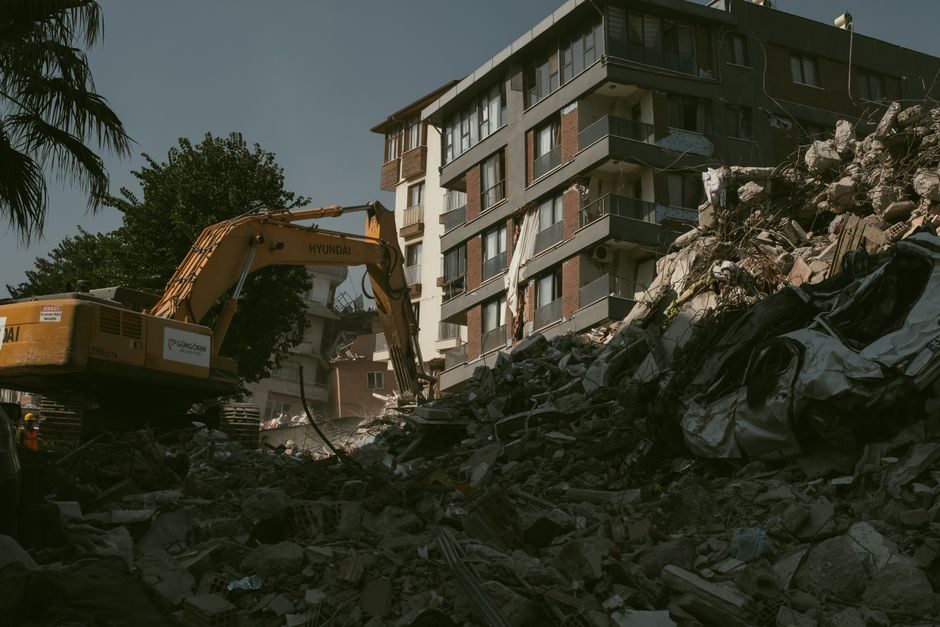
The Australian Government has committed $2 million in emergency aid to Venezuela after two powerful earthquakes struck the country, killing more than 2,000 people, injuring thousands more and leaving tens of thousands unaccounted for in what is shaping up as one of the region's most devastating natural disasters in recent memory.
Death toll and scale of the Venezuela earthquake disaster
Venezuela's Parliamentary President Jorge Rodríguez confirmed the latest figures in a nationally broadcast address, putting the official death toll at 2,295 people , with 11,267 injured and 12,841 individuals currently being accounted for.
An unofficial but widely referenced list of those missing has reached 40,567 people — a figure that underscores the enormous uncertainty still surrounding the disaster's full human cost. In a stark indication of how much higher the toll may climb, a United Nations envoy confirmed this week it had begun procuring 10,000 body bags for deployment in Venezuela.
Rodríguez said more than 4,000 emergency workers have been deployed and have so far rescued 6,461 people from the rubble. He also noted that 782 aftershocks have been recorded since the initial double earthquake, though their frequency and intensity have eased over the past two days.
Earthquakes of this magnitude are among the most destructive natural events on record globally — a pattern that has affected regions across the world with increasing humanitarian consequences.
Hardest-hit areas and shelter response
The coastal state of La Guaira has been identified as the most severely affected region, with thousands left homeless across the country. The Venezuelan government has established 25 temporary camps to house displaced people: 13 in La Guaira, eight in the capital Caracas, two in Miranda, and one each in Carabobo and Yaracuy.
Inside the shelters, displaced residents are waiting on two critical next steps — visits from the national identification authority to replace documents lost in the disaster, and guidance from the housing ministry on how to access reconstruction assistance.
"I feel like I still have the earthquake within me," said one 36-year-old shelter resident, who was staying with two of her five children after her apartment near the coast was nearly destroyed. Her 17-year-old son managed to retrieve their identity documents and a gas cylinder from the ruins. She said she would be willing to relocate to another state entirely if that was what it took to secure new housing.
Her 55-year-old mother, whose own home remained intact, arrived at the shelter with food and clothing — but expressed deep reluctance to stay, having lived through the loss of her home in a 1999 disaster and subsequently missed out on government housing built for victims at that time.
Soldiers were observed arriving at one shelter in an army transport truck, helping eight newly displaced families — carrying little more than sparse bags of belongings — settle into the facility. Aid workers noted that many of those arriving had spent days living beside the ruins of their homes, still searching for missing loved ones.
Criticism of the government response
Interim President Delcy Rodríguez has faced mounting criticism over what many residents describe as a slow and inadequate government response. The International Rescue Committee added its voice to those concerns, stating publicly that "the scale of the response does not meet the scale of humanitarian need."
In a post on social media, Rodríguez acknowledged the public's frustration. "I know that many Venezuelans feel pain and frustration. I deeply share those feelings," she wrote, adding that authorities were continuing to assist those affected and oversee recovery operations.
Australia's $2 million pledge forms part of the broader international effort to bolster a relief operation that, by all accounts, remains severely stretched in the face of an unfolding humanitarian emergency.