Australia claimed an extraordinary 15 medals in the pool on night four of the Commonwealth Games in Glasgow, but the moment that will linger longest in the memory had nothing to do with gold. It belonged to a 25-year-old Scottish swimmer named Archie Goodburn, who finished equal last in the men's 100m breaststroke final — and received the loudest ovation of the entire evening.
Australia's dominance continues in Glasgow
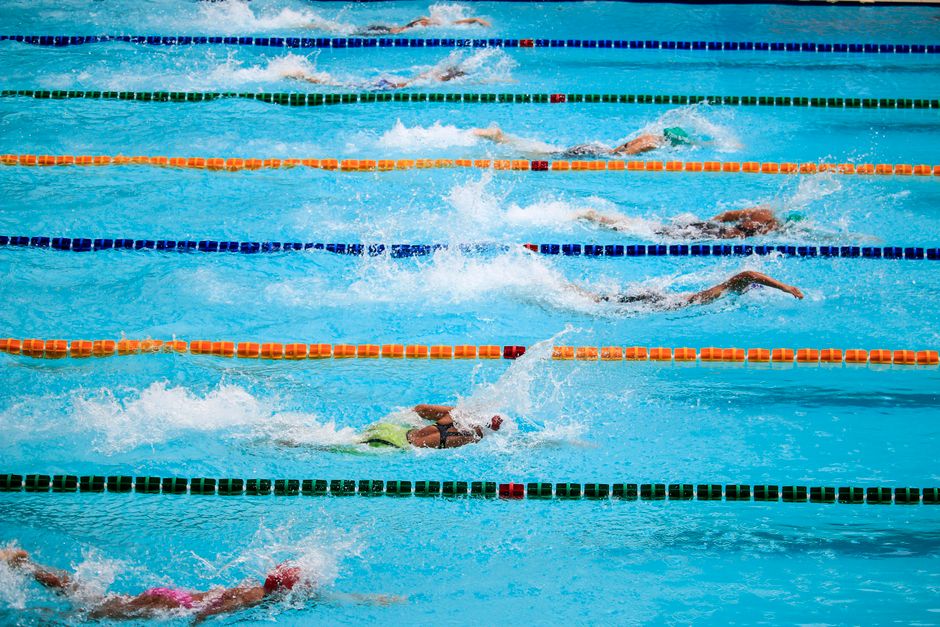
The Dolphins were near-unstoppable at the Tollcross International Swimming Centre, adding seven gold, three silver and five bronze to their growing tally. By the end of the night, Australia had accumulated 23 victories compared to England's four — a margin so large it has begun to stretch credibility as a contest.
Of the nine medal events on the swimming program, Australia won all but two. The men's 100m breaststroke final, won in thrilling fashion by Sam Williamson, was among the exceptions — and it was that very race that produced the night's most powerful moment.
Archie Goodburn's remarkable story
Goodburn was diagnosed at just 22 years of age with three low-grade incurable brain tumours. He had just finished a training session and was sitting beside Edinburgh's Commonwealth pool when he received the phone call that altered the course of his life. Doctors are unable to operate because the tumours have spread throughout his brain. He has suffered seizures and numbness down the left side of his body.
"There is an end point to my life and it's much earlier than it should be," Goodburn has said publicly. There is a very real chance he will not live beyond the age of 40.
Yet rather than step away from the sport he loves, Goodburn has pushed harder. Remarkably, he has become faster since his diagnosis. He arrived in Glasgow hoping to contend for a medal, but even finishing equal seventh, he described the crowd's reception as "next level."
"I'm going to look back on this as an incredible moment in my life," an emotional Goodburn told reporters in the mixed zone, as higher-profile medal winners moved quickly through. "I've had a lot of tough months over the past few years. This time last year, it was a dark spot."
A treatment breakthrough — and a mission beyond sport
In recent months, Goodburn received access to Vorasidenib, a drug he personally campaigned to obtain. The treatment has delayed the need for chemotherapy and made his participation in Glasgow possible. It represents a significant step not just for Goodburn, but for the broader campaign to improve outcomes for young brain cancer patients.
Goodburn has been vocal about the fact that brain cancer is the leading cancer killer of people under 40 in the United Kingdom, and he sees his public presence as part of a larger fight. "I also advocate for the future Archies," he said. "Young patients and people with brain cancer under the age of 40."
When asked how he maintains such a positive outlook given the uncertainty of his condition, Goodburn paused for a long moment, his bottom lip quivering, before composing himself. "I believe that my own advocacy can make a difference to my own life," he said. "The best way I can do that is to be positive about the situation and positive for change."
He concluded with quiet gratitude: "I can't say a big enough thank you. I'm feeling extremely privileged and very fortunate, very blessed to have even had the chance to take part."
For anyone who witnessed Monday night's program in Glasgow, Australia's medal haul was the expected headline. Archie Goodburn was the unforgettable one. For more on the importance of early cancer awareness, read about the deadly cancer that survivors say is easy to miss, and why timely cancer checks remain critical.