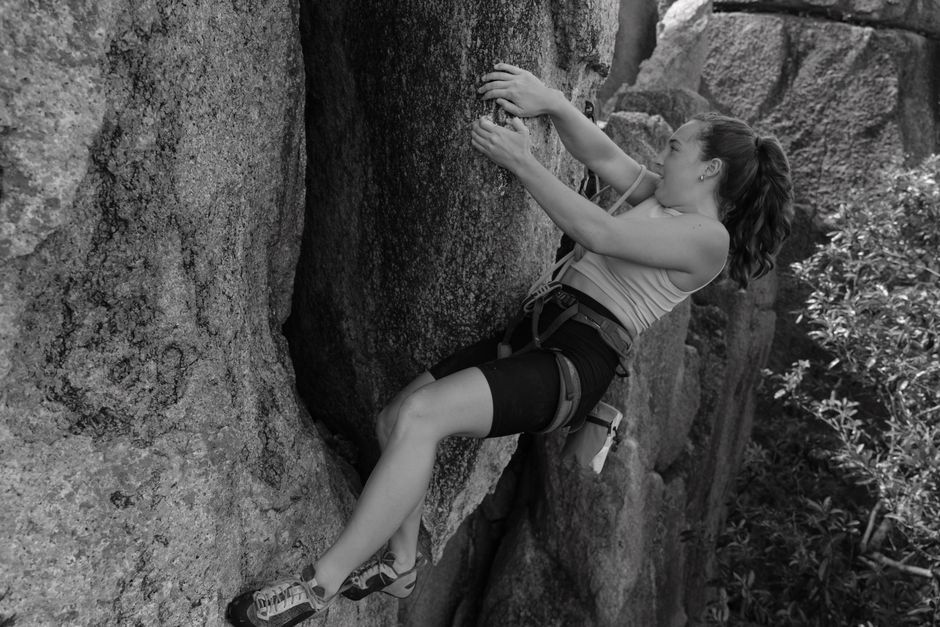
A proposed new amendment to the management plan for Mount Arapiles Dyurrite is set to scrap blanket climbing bans and reopen the vast majority of routes at one of Australia's most celebrated rock climbing destinations, with peak body Climbing Victoria saying the draft could be released for public comment as early as this week.
The Mount Arapiles-Tooan State Park, located near Horsham in Victoria's Wimmera region, has been at the centre of a protracted dispute between the climbing community and cultural heritage protection advocates. A draft amendment published by Parks Victoria in 2024 proposed closing more than half of the park's climbing areas to safeguard sensitive Indigenous cultural sites, sparking alarm across the climbing community.
What the new Arapiles Dyurrite proposal would mean for climbers
According to Climbing Victoria, the yet-to-be-released amendment would represent a significant departure from last year's approach. Rather than imposing broad closures, the proposal would allow access to most of the park's approximately 3,300 climbing routes, with only a small percentage expected to be affected by any restrictions.
Where climbing routes intersect with culturally significant sites, the proposal is understood to favour "practical methods" of mitigation — most notably rerouting climbs around those areas — rather than outright closure. Climbing Victoria said the amendment would "result in vastly greater access to climbing and other activities" compared with the 2024 draft.
The new document is also expected to rule out several specific closures proposed last year, including at Mitre Rock. Importantly, it would not introduce new environmental restrictions beyond existing seasonal protections already in place, such as those covering falcon nesting periods.
Cultural heritage remains central to the plan
The Arapiles Dyurrite landscape holds profound significance for Wotjobaluk Traditional Owners, whose connection to the country spans tens of thousands of years. The area contains ancient rock art, scar trees, stone quarries and a range of artefacts. The Barengi Gadjin Land Council, which represents the Wotjobaluk, Jaadwa, Jadawadjali, Wergaia, and Jupagulk peoples, declined to comment on the proposed amendment.
Parks Victoria is understood to have finalised the new draft after receiving formal advice from Wotjobaluk Traditional Owners. The proposal is also said to draw on recommendations from a sub-working group of experts convened through the Dyurrite Community Working Group, which included input from Traditional Owners.
Climbing Victoria welcomes the shift
Climbing Victoria chair Mike Rockell described the climbing community's reaction as one of considerable relief. "Overall, we see it as a new and much better way of accommodating climbing while still ensuring the protection of cultural heritage," he said, adding that he hoped the proposal would foster a stronger relationship between climbers and Traditional Owners.
The peak body said the approach struck a more nuanced balance than the sweeping closures previously flagged, preserving access where routes do not directly intersect with culturally significant sites while still providing meaningful protections where they do.
What happens next
Once Parks Victoria publishes the draft amendment — potentially within days — a four-week public engagement process is expected to follow, giving climbers, Traditional Owners, conservation groups and other stakeholders the opportunity to provide formal feedback.
The Mount Arapiles-Tooan State Park Management Plan was originally written in 1991, making the current review a generational update to governance of one of the country's most iconic outdoor recreation areas. Parks Victoria had not responded to requests for comment at the time of publication.
If the new amendment proceeds broadly as Climbing Victoria has outlined, it would mark a decisive shift away from the broad restrictions that threatened to fundamentally alter the character of a destination that draws climbers from across Australia and around the world.