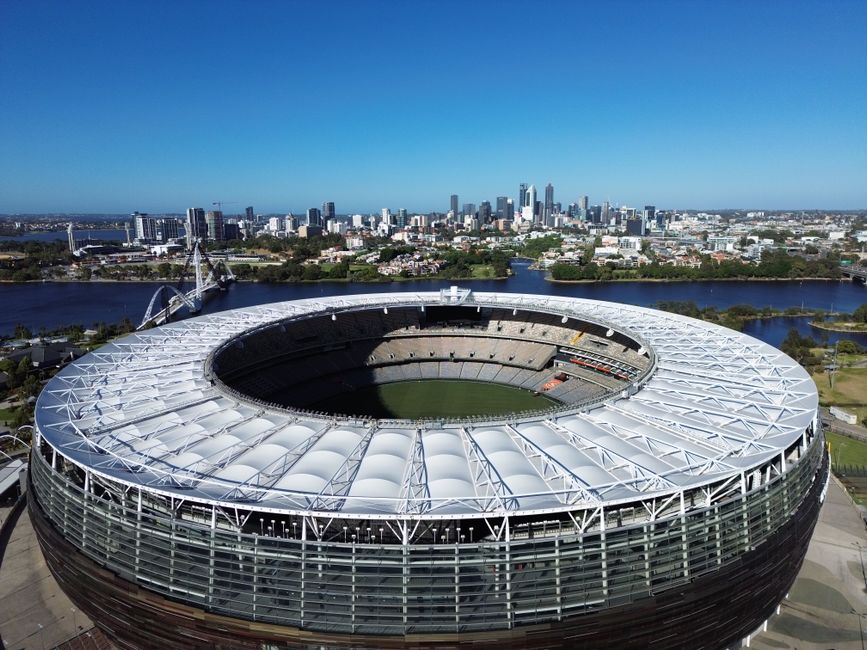
Alex Pearce is one match away from cementing his place in Australian football history. The Fremantle Dockers captain, born and raised on Tasmania's north-west coast, will lead his side onto the MCG on Saturday against the Brisbane Lions in the AFL Grand Final — with the chance to become the first premiership-winning captain in the Dockers' history.
Brisbane are chasing a remarkable three consecutive premierships, having claimed the flag in each of the previous two seasons. For Fremantle, the stakes could not be higher — a club founded in 1995 has never won an AFL premiership, and Pearce, who shares that birth year with the club, could be the man to end that drought.
Born the same year as the Dockers
Pearce came into the world on June 9, 1995, at the North West Regional Hospital in Burnie — the very same year Fremantle entered the AFL competition. The midwife who delivered him, Ruth Forrest, remembers the moment vividly.
"He was a beautiful, big baby," Forrest recalled. "And when you hold these babies in your hand after they're born, there's just this unlimited potential in every child."
Forrest, now serving as the independent member for Murchison in Tasmania's upper house, has followed Pearce's journey ever since. "He's just this genuine, inspirational leader. That's what he is," she said. "To see him grow up into that, it must be huge pride for his family, and I share a tiny bit of that."
A sporting family from Ulverstone
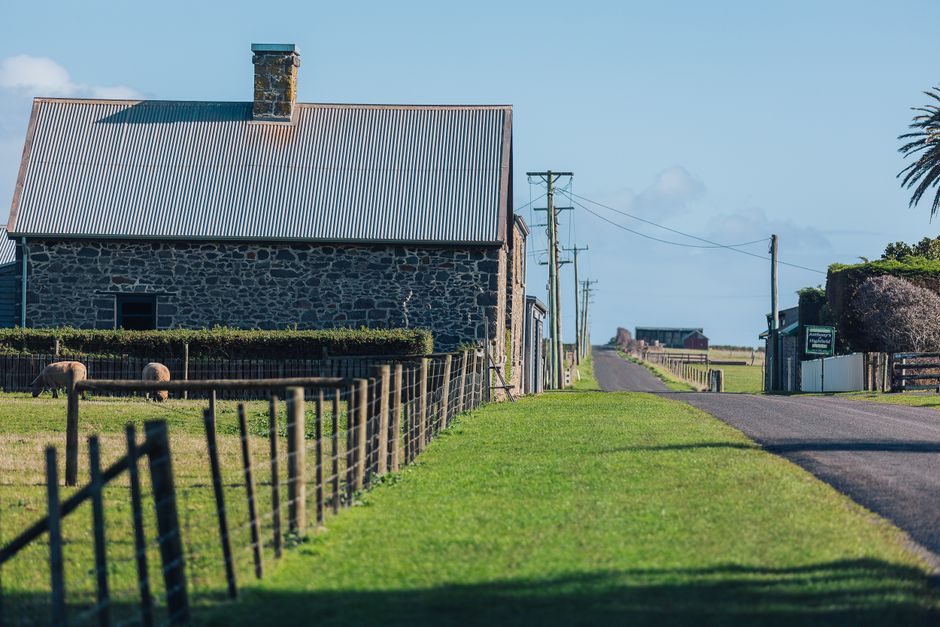
Pearce grew up in Ulverstone, a tight-knit coastal community where sport is woven into daily life. His mother Karen and sister Georgia were accomplished equestrian riders, while his father Scott was a standout cricketer for the local Ulverstone club — a competition he still umpires and administers today. Uncle Jason remains president of the Ulverstone Cricket Club, and grandfather Wayne Pearce was a prolific goal scorer for the Ulverstone Robins back in the 1960s.
For young Alex, cricket was actually his first sporting love. "I played my last game of cricket ever with Alex, in a second grade grand final," his father Scott recalled with a laugh. The AFL, it seems, was not always the obvious destination.
"We knew he had some ability as a junior; he had a growth spurt, played one year with the Tassie Mariners. He didn't play too bad," Scott said. "But he wasn't a standout player. He was okay."
From pick 37 to Dockers captain
Despite modest expectations, the 200-centimetre key defender was drafted to Fremantle with pick 37 in the 2013 national draft. What followed was a steady, determined rise through the ranks — built on loyalty, a fierce sense of justice, and the resilience that seems to come naturally to those raised on Tasmania's rugged north-west coast.
That resilience was severely tested when Pearce fractured his leg twice, keeping him sidelined for close to two years. He came back stronger, and his standing within the club grew. He was eventually named Fremantle captain — a title his father admits he never saw coming.
"It's funny how things work out. He's now going to play at the MCG in a grand final as captain of an AFL team, so he got there in the end," Scott said.
Beyond football, Pearce has forged meaningful connections with several of Fremantle's First Nations players and has been actively exploring and celebrating his own identity as a Palawa man — a pursuit that has deeply moved his father and prompted Scott to investigate his own ancestry. The journey mirrors broader conversations in Australian sport about identity and belonging, as history-making moments continue to reshape how Australians see themselves reflected in elite competition.
Fremantle fans — and Tasmanians across the country — will be watching closely on Saturday as Pearce leads the Dockers into their most significant match in the club's three-decade history.