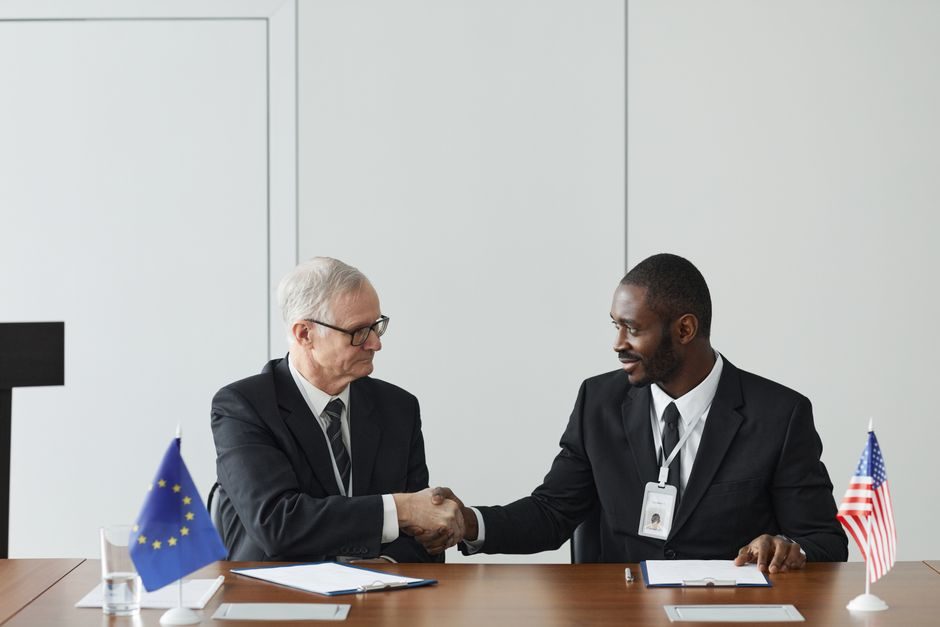
Prime Minister Anthony Albanese has touched down in Fiji to begin an intensive three-day Pacific diplomatic push, with the signing of a landmark new security pact with Fijian Prime Minister Sitiveni Rabuka the first item on a packed agenda designed to shore up Australia's standing in a region where competition with China is intensifying.
Albanese arrived in Suva on Sunday night ahead of Monday's signing of the so-called "Vuvale Union" with Rabuka, leader of one of the Pacific's most populous nations. The agreement adds Fiji to a growing list of Pacific countries that have entered into formal security arrangements with Canberra since the Albanese government returned to office in 2022.
A sweeping Pacific agenda: Fiji, Solomon Islands and Brisbane
From Fiji, the Prime Minister will travel to the Solomon Islands on Tuesday to advance negotiations on a new comprehensive treaty with recently elected Prime Minister Matthew Wale. Wale, who also chairs the Pacific Islands Forum, visited Canberra last month and pledged to review his country's controversial security agreement with China while promising a broad "reset" in relations with Australia after a prolonged period of tension and distrust.
The Pacific tour does not conclude when Albanese returns from the islands. On Wednesday, the leaders of Papua New Guinea and Tonga will travel to Brisbane for bilateral meetings with the Prime Minister ahead of the State of Origin decider — a deliberately symbolic pairing of sporting diplomacy with hard security and economic talks. Regional security, trade and economic growth are all on the agenda for those meetings.
"This important series of meetings in Brisbane comes at a time where we are working closely with our Pacific family on the issues that matter to our region," Albanese said in a statement ahead of the trip.
Growing security pact network aimed at limiting China's footprint
The Fiji agreement is the latest in a series of bilateral pacts Australia has pursued across the Pacific since 2022, with previous deals struck with Vanuatu, Tuvalu, Nauru and Papua New Guinea. A central feature of these arrangements is that they offer Pacific nations financial support and expanded Australian visa access in exchange for commitments that limit their ability to partner with China on critical infrastructure — particularly sensitive projects such as ports and airports.
The most recent agreement before the Fiji pact was the Nakamal Agreement with Vanuatu , signed in Canberra last week after a delay of nearly ten months. That deal, valued at $500 million , includes a commitment that no foreign military base will be established on Vanuatu's territory. However, it is understood the original wording was softened following concerns it could constrain Vanuatu's broader economic relationship with Beijing. The signing came after a notable diplomatic embarrassment for the government last year, when Albanese had travelled to Vanuatu for a ceremony that was abandoned at the last minute when Vanuatu had second thoughts.
Vanuatu's Prime Minister Jotham Napat, visiting Canberra for last week's signing, acknowledged that a security arrangement with China was also likely, saying a deal would be completed "once I get the clearance from Beijing."
Foreign Affairs Minister Penny Wong has framed the contest in blunt terms, describing Australia's strategic environment in the Pacific as " a permanent contest ."
"China is seeking to project its power and influence further into our region," Wong said. "That is why we are focused on transformational agreements. We've signed quite a number and there will be more to come."
Experts back Australia's strategy as China's influence looms large
Washington-based analyst Mark Cozad, a former US intelligence official now with the RAND Corporation, has described Australia's agreement-by-agreement approach as " a very important strategy ." Cozad argues the pacts serve to strengthen relationships and give Pacific nations tangible incentives to align more closely with Western partners rather than Beijing.
"I don't think it's a foregone conclusion in any respect that China's going to have an open door in all of these places," Cozad said. "I think many people are very wide-eyed about what the Chinese bring."
Australian officials have been candid about the stakes, with the country described internally as being locked in a "diplomatic knife fight" with China across the Pacific.
Police cooperation and a broader security push
The diplomatic activity is not limited to the Prime Minister's travel schedule. Australian Federal Police Commissioner Krissy Barrett is this week attending the United Nations, where she will speak alongside three Pacific police chiefs at forums focused on regional security. Barrett is championing a proposal for a new regional policing bloc, to be known as PACPOL , which would give Pacific island police chiefs a collective voice at global and regional forums. A decision on whether to formally establish PACPOL is expected from Pacific chiefs of police in October.
"One of my priorities is to champion the views and role of Pacific Island Police Chiefs, who want a greater say at global forums about security and safety matters that concern their region," Barrett said.
Rounding out a high-pressure week for Australian diplomacy, Indian Prime Minister Narendra Modi is due to visit Australia later in the week, with talks expected to focus on unlocking uranium exports to India and deepening defence ties — a development that will itself be closely watched by Beijing.