Gardening used to be all about strict rules and rigid layouts. Every plant had a precise spot and every path had to be perfectly straight.
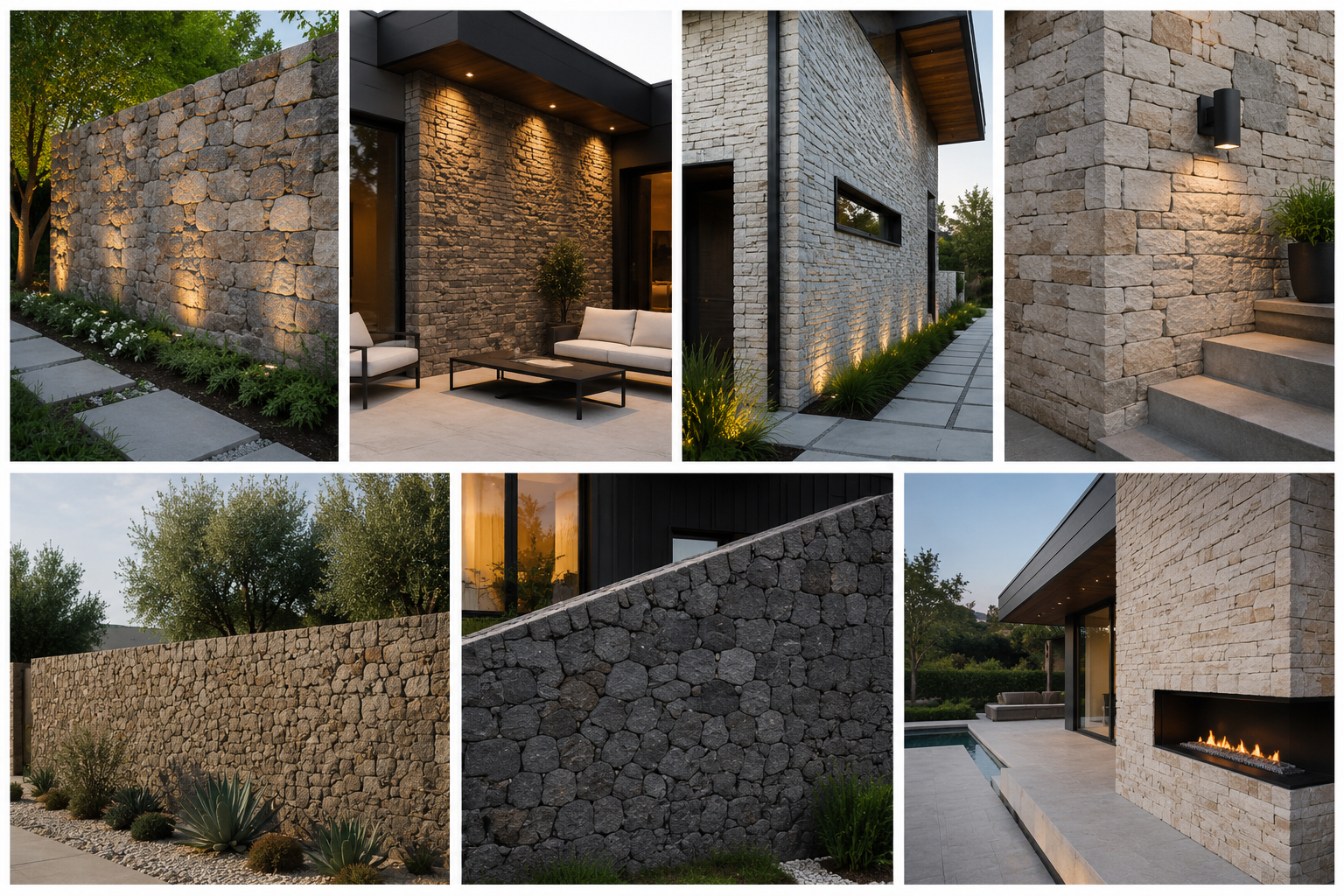
Thankfully, times have changed. Today, yards are personal escapes meant to reflect who we actually are. If you stick too closely to old-school advice, you may end up trapping your creativity in a boring box. Breaking those outdated rules is exactly how you create a space that feels relaxed, natural and uniquely yours. A great way to shift this energy is to add earthy, organic textures such as a stunning feature with stone wall cladding.
Let's explore these outdated garden rules and discover how to fix them to create a more inviting space.
Rule 1: Everything Has to Match Perfectly
Context
Many people think that everything in the yard must match. They choose the exact same colour and material for patios, furniture and planters. This can make your outdoor space feel flat. It can look like a showroom instead of a real garden. A space with no contrast often feels a bit boring to look at.
Instead
You can pair different textures instead of matching everything. Try using complementary materials. You can still keep a consistent colour palette so the space looks tidy. For example, rough stone looks wonderful next to smooth timber. This approach adds depth and makes your garden feel more alive.
Rule 2: Straight Lines Always Look More Modern
Context
There is a common belief that modern design requires straight lines. People often plan geometric layouts with sharp corners. They think this makes a yard look clean and contemporary. While straight lines work well for some homes, they can sometimes feel a bit cold. They can make an outdoor area look stiff.
Instead
Gentle curves and organic pathways can actually look very modern. They help to soften your outdoor spaces. Curved garden beds lead the eye naturally through the yard. You can layer your plants along these curves. This style feels more relaxing and creates a pleasant flow.
Rule 3: Every Corner Needs to Be Filled
Context
It is very tempting to fill every empty space in your yard. When people see a bare corner, they want to add a plant, an ornament or a piece of furniture. They worry that empty space can look unfinished. However, filling every spot can make your garden look crowded and busy.
Instead
Empty space has a lot of value in landscape design. Designers call this negative space. Leaving some areas open allows your main features to stand out. It gives your eyes a place to rest. This balance makes the whole yard feel spacious and calm.
Rule 4: Walls Should Only Define Boundaries
Context
Walls are often treated as purely functional elements. People build them just to mark a property line or hold back soil. Because of this, boundary walls can look dull. They become background items that nobody really notices.
Instead
You can transform ordinary retaining or boundary walls into beautiful architectural features. Stone wall cladding is an excellent way to do this. It adds wonderful texture, depth and visual interest to plain surfaces. You can consider stackstone wall cladding for your project. This option creates a lovely layered texture and a premium look without overwhelming your landscape.
Rule 5: Bigger Features Always Make a Bigger Impact
Context
Many homeowners assume that luxury requires large items. They look for oversized pergolas, massive water features or huge sculptures. They believe that bigger items automatically make a garden look expensive and grand. But giant features can easily crowd a normal yard.
Instead
One carefully chosen focal point often creates a better impact. A beautiful medium-size tree or a simple fire pit can be perfect. The secret is scale and balance. A single feature that fits your space well will look more elegant than multiple oversized elements. A textured stackstone wall cladding feature behind an outdoor dining area or fireplace can create just as much visual impact as a large water feature or oversized pergola.
Rule 6: More Plants Mean a Better Garden
Context
It is easy to buy too many plants at the nursery. People think a crowded garden looks lush and healthy. In reality, a packed garden often looks visually chaotic. It can also become very high-maintenance. Plants need space to grow or they will fight for light and water.
Instead
Layered planting with plenty of breathing room usually works best. You can select a few reliable varieties and repeat them throughout the garden. Grouping plants of varying heights creates a nice structure. This method makes your landscape look intentional and tidy.
Rule 7: Trends Should Guide Every Design Decision
Context
Outdoor design trends come and go very quickly. What is popular this year might look outdated in a few seasons. If you follow every short-lived design fad, you may end up changing your yard constantly. This can become very expensive and tiring.
Instead
Investing in timeless materials and functional layouts is often a wiser choice. Finishes that age gracefully will keep your yard look good for decades. Natural materials like stone and timber complement changing styles over time. They look beautiful even as your personal taste evolves.
Conclusion
Good outdoor design is not about following every traditional rule. It is about understanding why those rules existed in the past. Once you know the basics, you can decide when to break them to achieve a better result for your home. Your garden should suit your lifestyle and make you feel happy every time you step outside.
Disclaimer: The information provided in this blog is to the best of our knowledge and intended as a general guide. We recommend confirming all details based on your specific project requirements before execution.