NAIDOC Week 2026 will run from 5 to 12 July , with communities across Australia coming together to celebrate the history, culture and achievements of Aboriginal and Torres Strait Islander peoples under the theme "50 Years of Deadly" — a milestone marking more than five decades since an entirely Indigenous-led national committee took charge of the week's direction.
A Theme Five Decades in the Making
The 2026 theme honours the longevity and evolution of NAIDOC itself, reflecting on the journey from a single day of observance to a nationally recognised week of celebration and protest. The National NAIDOC Committee's co-chair, Lynette Riley , a Wiradjuri and Gamilaroi woman, described the occasion as "an important milestone", saying the committee is committed to ensuring the anniversary is celebrated in a way that "reflects its significance and honours the generations of people who have contributed to the NAIDOC journey".
Fellow co-chair Steven Satour , a Pitjantjatjara, Yankunytjatjara and Pertame man, said the growth of NAIDOC over the decades is nothing short of remarkable. "We really wanted to take a moment to reflect on how far NAIDOC has come, beginning as a day of observance and growing into a national movement, is really incredible," he said. Satour also emphasised that NAIDOC Week represents the "opportunity to engage with mob, learn from mob [and] hear from mob".
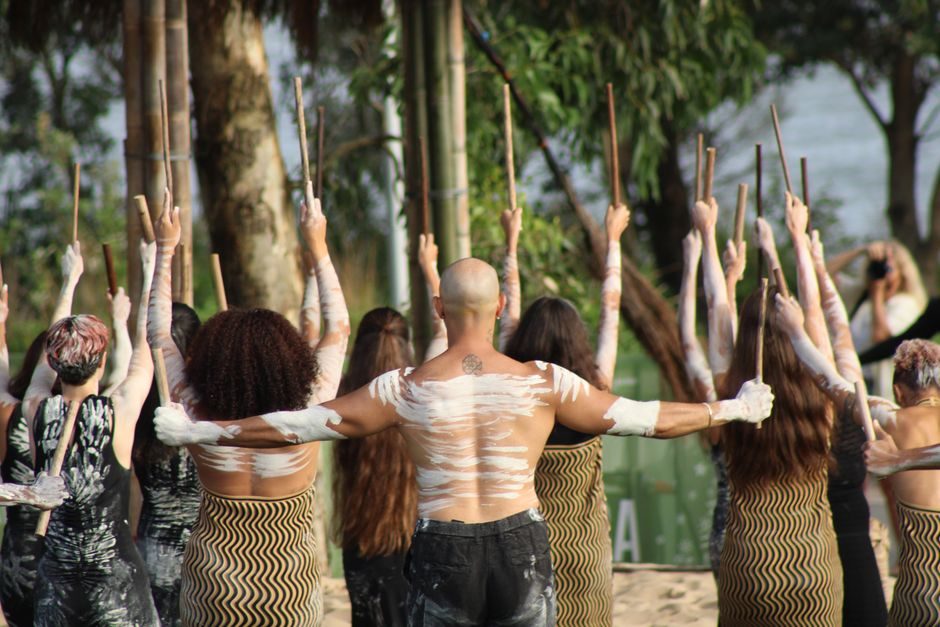
Community events, cultural exhibitions and workshops are being staged across the country throughout the week, engaging both Indigenous and non-Indigenous Australians in schools and workplaces nationwide.
Awards Night Moves to Alice Springs in August
In a notable change from previous years, the National NAIDOC Awards will not be held during the first week of July. Instead, the ceremony — which recognises the achievements, resilience and cultural contributions of First Nations people — will take place on 15 August in Mparntwe (Alice Springs) . The National NAIDOC Committee has described this shift as a reflection of the significance of this year's anniversary.
From Protest Movement to National Celebration: The History of NAIDOC
NAIDOC stands for the National Aborigines and Islanders Day Observance Committee , and its roots stretch back to the 1920s, when Aboriginal rights groups staged protests against the treatment and status of First Nations peoples, including boycotts of Australia Day observances.
January 26, which marks the establishment of the first British colony in Australia in 1788, is recognised by many Aboriginal and Torres Strait Islander peoples as Invasion Day or Survival Day . Following protests in Sydney in 1938, it also became known as a Day of Mourning. From 1940, that Day of Mourning was held annually on the Sunday before January 26 and gradually evolved to encompass celebration of First Nations culture and history across a full week.
In 1956, the federal government, working alongside both Aboriginal and non-Aboriginal groups, formally established the National Aborigines Day Observance Committee. In the early 1990s, the committee's name was updated to include Torres Strait Islanders. The committee has noted that it retains what it calls "the now defunct and inaccurate term 'Aborigines'" in its title "due to historic use by our Elders in establishing this week of commemoration".
What's Happening and Who It's For
NAIDOC Week is observed broadly across Australian society — in workplaces, schools and public institutions — making it one of the most widely recognised Indigenous cultural events on the national calendar. The 2026 edition, with its focus on five decades of achievement, is expected to bring particular weight to this year's events as communities reflect on both the struggles and triumphs that have shaped the movement.
*Warning: Aboriginal and Torres Strait Islander readers are advised that this article may include the names and images of Indigenous persons who have passed away.